Hurricane Season Security Plan for Property Managers in Homestead, Cutler Bay & Florida City

Mijael • May 19, 2026

Every property manager in South Miami-Dade knows the drill when a storm forms in the Atlantic: shutters, sandbags, generators, supplies. Fewer have a plan for the security side of a hurricane, and yet that is where many of the most frustrating losses happen. Doors that blow open and stay open for days. Gates that lose power. Vacant units that nobody checks. Unauthorized "contractors" walking through a damaged community. Damage that isn't documented until long after the storm has passed.

Homestead, Cutler Bay and Florida City have a long memory when it comes to hurricanes. Hurricane Andrew in 1992 reshaped this part of the county, and the lesson that stuck with many longtime residents was that the days and weeks after a storm can be as hard as the storm itself. Hurricane season in the Atlantic runs from June 1 to November 30. The best time to build your security plan is now, before there is a cone on the map.

Key takeaways
  • ✔ Treat security as its own chapter of your hurricane plan, with tasks for before, during and after the storm.
  • ✔ Document the property's condition in detail before the season starts; it helps with insurance claims later.
  • ✔ Officer safety comes first: patrols pause during dangerous conditions and resume when authorities say it is safe.
  • ✔ After the storm, the biggest risks are open entry points, dark properties and uncontrolled access by people who claim to be contractors.
  • ✔ Agree on contacts, keys, codes and communication with your security provider before the first watch is issued.
June 1
Start of the Atlantic hurricane season
Nov 30
End of the season
3 phases
Before, during and after: each one needs its own security tasks

Why a hurricane is also a security problem

When a storm hits, the normal layers of protection on a property can disappear at the same time. Power goes out, so gates, access readers, cameras and alarm systems may stop working or stop reporting. Fences and doors get damaged. Residents evacuate, leaving units empty. Roads are blocked and response times stretch while emergency services focus on life safety. For several days, a property can be more exposed than at any other point in the year.

That is not a reason to panic. It is a reason to plan, so that you know in advance who will check the property, when, how they will get in and how you will hear about what they find.
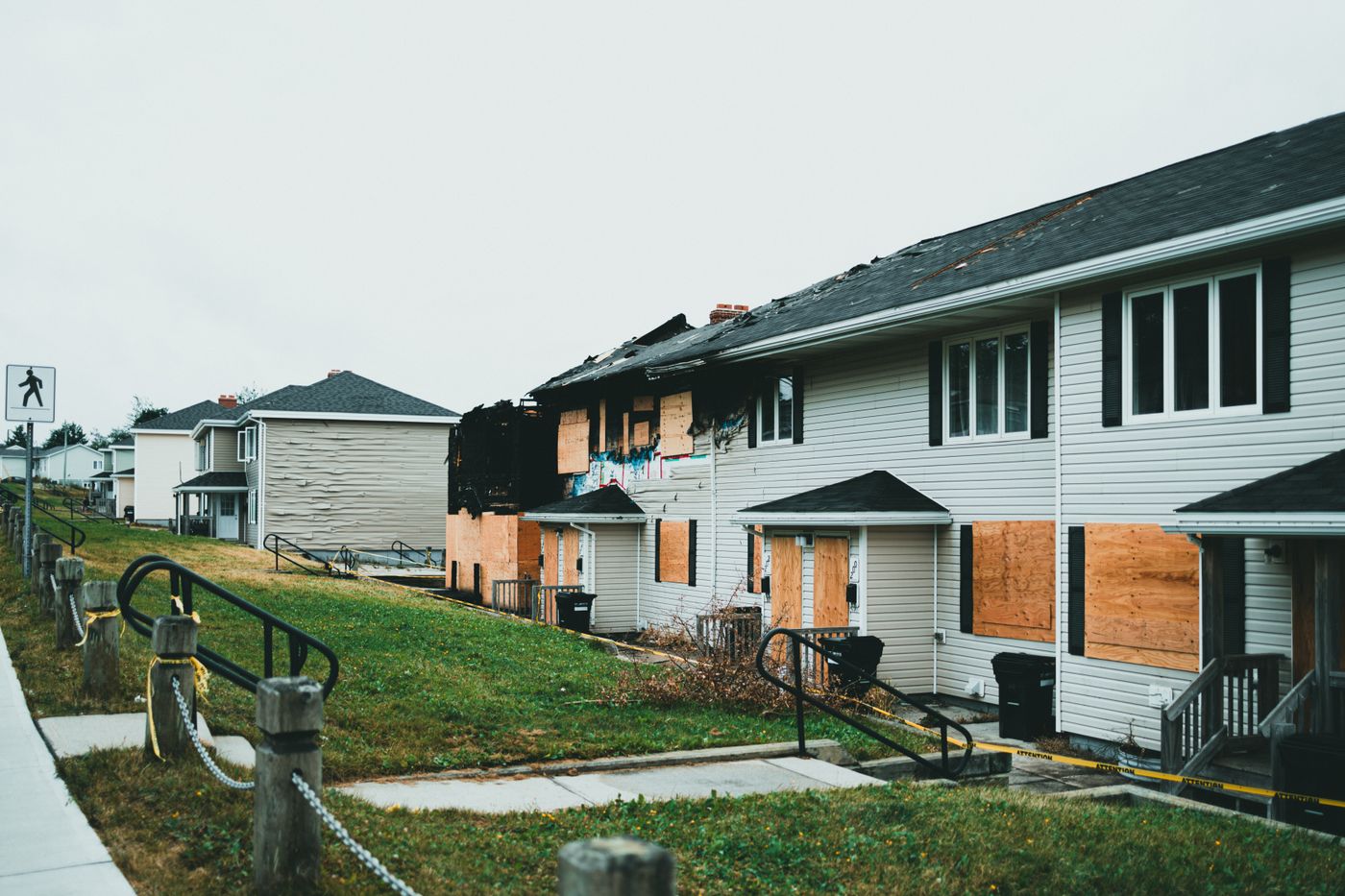
Homes with windows boarded up before a hurricane
Shutters and plywood protect the building from wind. A security plan protects it from what happens when the property sits dark, empty or damaged for days.

Phase 1: Before the season (do this in May or June)

1
Document everything
Walk the property and take dated photos and video of the buildings, roofs, common areas, gates, fences, equipment and amenities. Store copies in the cloud, not only on a computer in the management office.
2
Map your vulnerabilities
List every entry point, gate, access system and camera, and note what happens to each one if the power goes out. Identify vacant units, storage areas and anything valuable left outside.
3
Build the contact list
Board members, management, maintenance, insurers, utilities, your security provider and key vendors, with backup phone numbers. Decide who has authority to make decisions if the manager cannot be reached.
4
Plan keys and codes
Decide who holds master keys, gate remotes and alarm codes, and how your security provider will access the property if electronic gates fail.
5
Agree on the security plan
Sit down with your provider and write down the pre-storm, post-storm and recovery coverage you want, so nobody has to improvise. Our patrol and officer services can be scheduled around each phase.

Phase 2: When a storm is approaching

Once a watch or warning is issued, the focus shifts to closing the property properly and making sure nothing is left that could become a problem later:

  1. Do a final security walk. Confirm that doors, gates, storage rooms, pool areas and maintenance shops are locked and that loose items are secured or brought inside.
  2. Update the occupancy list. Know which units will be empty and which residents plan to stay. Share it only with the people who need it.
  3. Take a fresh round of photos showing the property secured, shutters up and equipment protected.
  4. Confirm the post-storm plan with your security provider: when patrols are expected to resume and how reports will reach you if phone and internet service are limited.
  5. Follow official guidance. Evacuation orders, shelter information and storm surge zones come from Miami-Dade County emergency management. Make sure residents and staff know where to find it.

🌀
Nobody patrols through the storm
When conditions are dangerous, officers shelter like everyone else. A responsible security plan never asks anyone to drive around during hurricane-force winds or flooding. Patrols resume once local authorities indicate it is safe to be on the roads, and any curfews or restrictions they issue apply to everyone, including security.

Phase 3: The first days after the storm

This is when security matters most. The goal is to see the property, secure it again and document what happened as early as it is safe to do so.
🔍
Damage assessment rounds
Officers check every building and common area, note broken doors and windows, fallen trees, flooding, downed fences and hazards, and report them to management right away.
📸
Photo documentation
Time-stamped photos and written notes create a record of the property's condition after the storm, useful for insurance adjusters and for planning repairs.
🚧
Re-securing entry points
Where doors, gates or fences are damaged, officers help control access until repairs are made, and report anything that cannot be secured.
👁️
Visible deterrence
A marked patrol vehicle and officers on site at different times signal that the property is being watched while power and alarms are down.
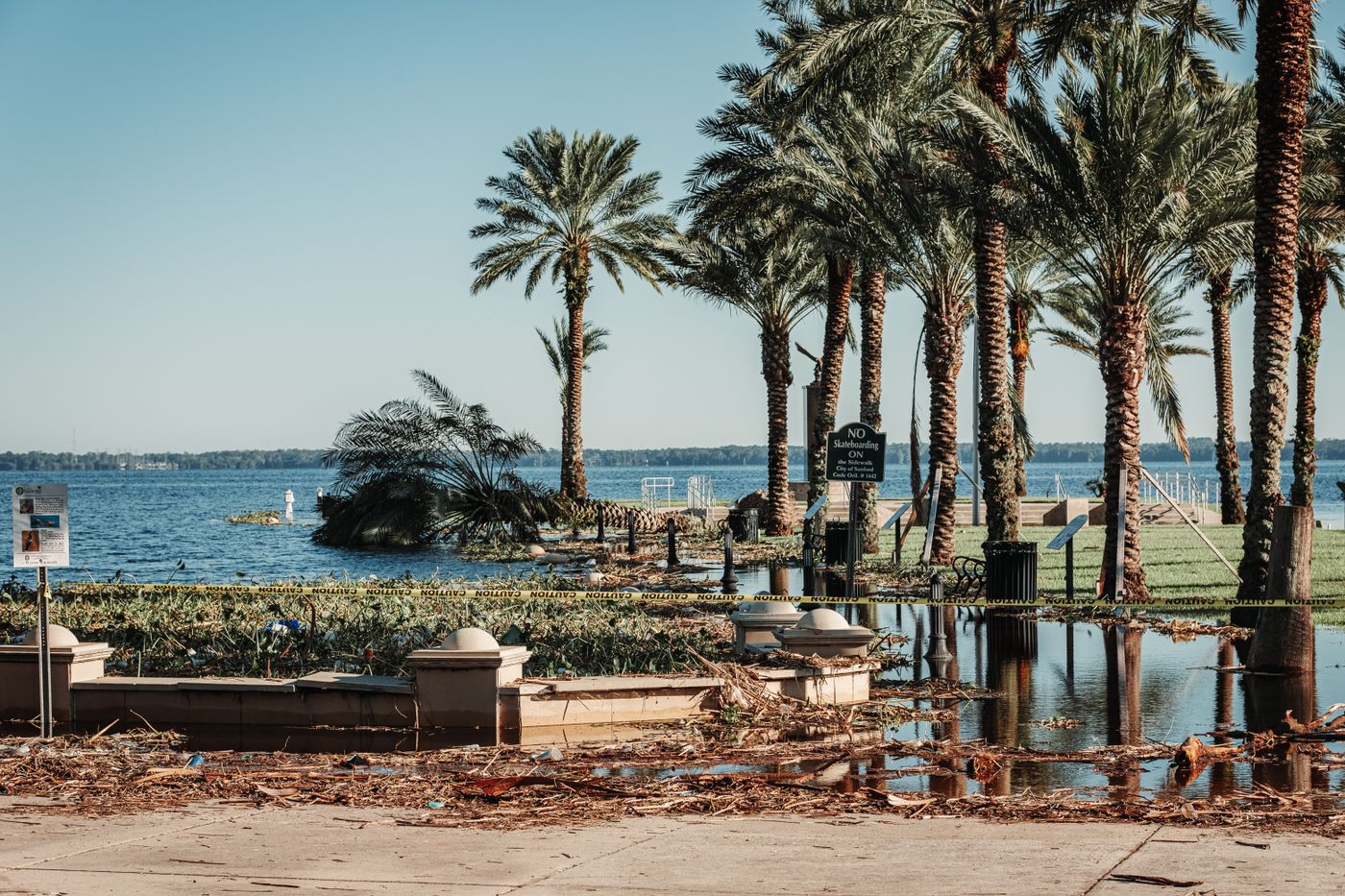
Palm trees and scattered debris after a tropical storm
After the storm, debris, downed fences and dark streetlights create openings. Early patrols find and report them before they turn into a second problem.

Phase 4: The recovery weeks

Recovery can take weeks or months, and it brings a new set of risks. Properties fill with roofers, tree crews, restoration companies, insurance adjusters, utility workers and people offering services door to door. Most are legitimate. Some are not. Meanwhile, residents may be living elsewhere and units may be open to dry out.

  • Control access. Keep a list of approved contractors and adjusters and log everyone who enters: name, company, vehicle and purpose of the visit.
  • Protect materials and equipment. Roofing supplies, generators, tools and appliances left outside or in open units are easy targets. Overnight patrols help keep an eye on them.
  • Watch vacant units. Regular checks of empty homes and units help catch leaks, open doors and signs of entry early.
  • Keep the board and owners informed. Daily reports give management something concrete to share with residents who are anxious and far away.

Which kind of coverage fits each phase?

Mobile patrols On-site officers
Before the season Perimeter and lighting checks; spotting weak points. Usually not needed unless the property already has a post.
Right after the storm Fast damage rounds across several properties as soon as roads are safe. Access control at a main gate or lobby when systems are down.
Recovery weeks Overnight checks of vacant units, materials and equipment. Contractor and visitor log at entrances during working hours.
Reporting Each visit recorded with GPS tracking and Geo Fence data. Daily activity reports with entries, incidents and observations.

Many associations and managers in South Miami-Dade use a mix: patrols to cover a portfolio quickly and an officer at the busiest entrance once recovery work begins. Our patrol vehicles are GPS-tracked, and our DTR Patrol and Geo Fence technology gives you a record of when each property was checked.
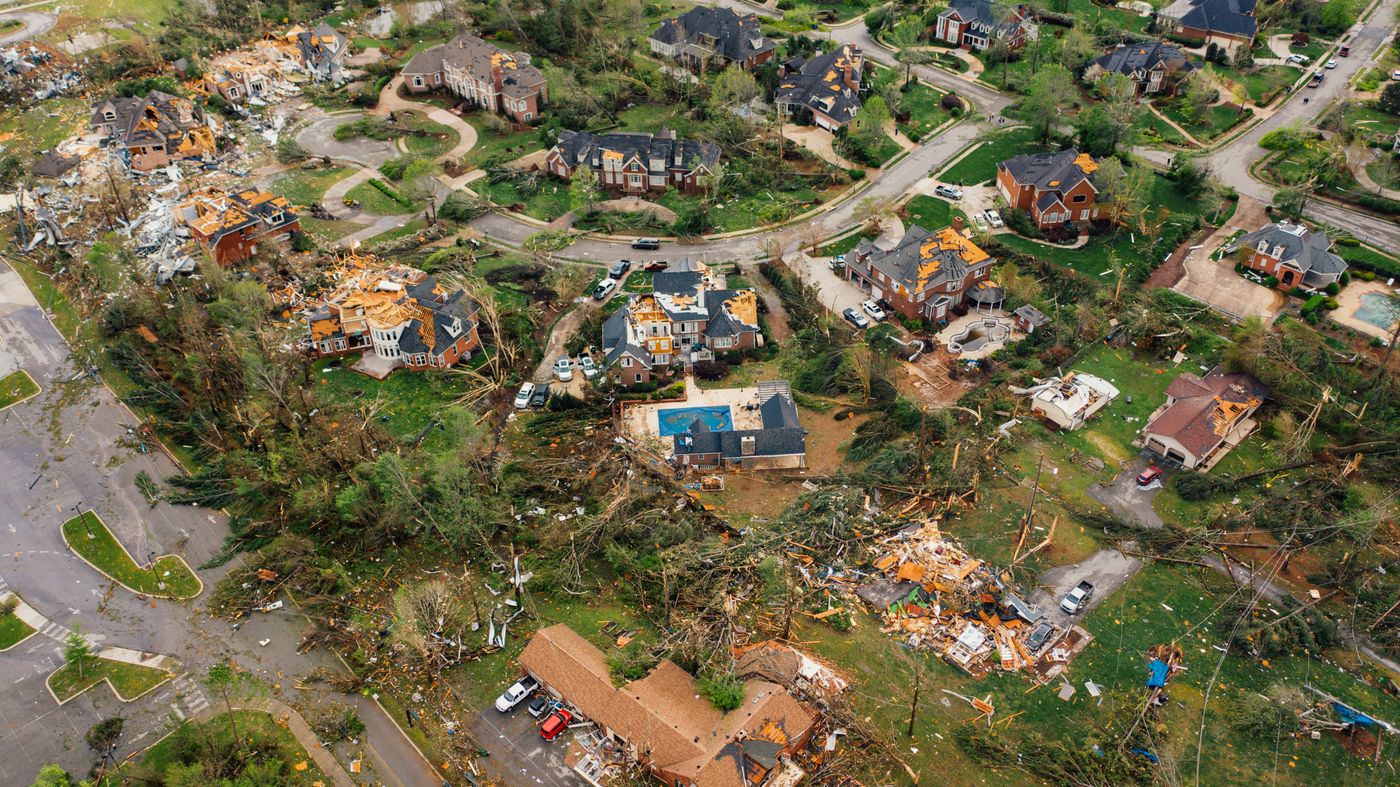
Aerial view of a residential neighborhood damaged by a storm
In a widespread storm, every property in the area is dealing with the same problems at the same time. A plan agreed in advance keeps your property from waiting at the end of the line.

Frequently asked questions

Can a security officer stay on the property during the hurricane?

Officer safety comes first, and we do not keep officers in dangerous conditions. When the storm is close, people shelter. Coverage resumes as soon as it is safe and permitted by local authorities.

Will security reports help with my insurance claim?

They can be useful documentation, because they show the condition of the property and when it was observed. What your insurer accepts depends on your policy, so ask your agent or adjuster what records they need.

Do we need to sign a contract before the storm?

Planning in advance is strongly recommended. After a major storm, demand for security rises quickly across the region. Having your plan, contacts and access details set before the season makes the response faster and more organized.

Do you cover other areas besides Homestead, Cutler Bay and Florida City?

Yes. We serve properties throughout Miami-Dade, including Palmetto Bay, Pinecrest and Kendall, as well as the Tampa Bay area through our Tampa office.

The bottom line

You can't control where a hurricane goes, but you can control how ready your property is when it leaves. A security plan with clear tasks before, during and after the storm means doors get closed, damage gets documented and the wrong people stay out while your community gets back on its feet. All American Security Services has protected South Florida properties for nearly two decades, through many hurricane seasons. Let's build your plan before the next storm has a name.
Build your hurricane security plan before the next storm
Licensed Florida security officers, marked patrol vehicles with GPS tracking, and daily reports you can actually read. Call Miami or Tampa for a free, no-obligation security assessment.
📞 Miami: (305) 614-9260 📞 Tampa: (813) 590-0771 Request a free quote →
Observe · Deter · Record · Report — Serving South Florida and the Tampa Bay area
By Mijael • October 20, 2026
No todas las empresas de seguridad son iguales, y la oferta más barata casi nunca es la mejor. Una lista práctica para administradores, dueños de negocios y juntas de propietarios de Tampa Bay: licencias de Florida, seguros, supervisión, reportes y las preguntas para hacer antes de firmar.
By Mijael • October 20, 2026
Not all security companies are the same, and the lowest bid is rarely the best value. A practical checklist for Tampa Bay property managers, business owners and HOA boards: Florida licenses, insurance, supervision, reporting and the questions to ask before you sign.
By Mijael • September 15, 2026
La buena seguridad no es solo estar presente, es poder demostrar qué pasó. Cómo funciona nuestro método de cuatro pasos en cada turno, y cómo los reportes de DTR Patrol, el rastreo GPS y las alertas de Geo Fence convierten las rondas en registros que los administradores pueden usar.
By Mijael • September 15, 2026
Good security is not only being there, it is being able to show what happened. How our four-step method works on every shift, and how DTR Patrol reporting, GPS tracking and Geo Fence alerts turn patrols into records property managers can use.
By Mijael • August 18, 2026
Un nuevo año escolar trae familias nuevas, personal nuevo y filas de llegada llenas. Una guía práctica para directivos de colegios privados: control de visitas, entrada y salida, eventos fuera de horario y cómo encajan los oficiales en el plan de seguridad del colegio.
By Mijael • August 18, 2026
A new school year brings new families, new staff and crowded drop-off lines. A practical guide for private school leaders: visitor control, arrival and dismissal, after-hours events, and how trained officers fit into the school's own safety plan.
By Mijael • July 21, 2026
Un concesionario deja afuera de noche más valor que casi cualquier otro negocio. Qué buscan los ladrones en un lote de autos, cómo los disuaden los oficiales y las patrullas nocturnas, y cómo armar un plan que deje un registro claro cada mañana.
By Mijael • July 21, 2026
A dealership leaves more value outdoors overnight than almost any other business. What thieves go after on auto lots, how overnight officers and patrols deter them, and how to build a night plan that leaves a clear record every morning.
By Mijael • June 16, 2026
¿Te vas en el verano? Una casa vacía da señales fáciles de leer. Qué revisan las patrullas de vacaciones, cómo te reportan y una lista práctica para dueños de casa y HOAs en Pinecrest, Palmetto Bay y Coconut Grove antes de salir de viaje.
By Mijael • June 16, 2026
Leaving for the summer? An empty house sends signals that are easy to read. What vacation-home patrols check, how they report back, and a practical pre-departure checklist for homeowners and HOAs in Pinecrest, Palmetto Bay and Coconut Grove.