Summer Vacation Home Patrols in Pinecrest, Palmetto Bay & Coconut Grove: How to Keep an Empty House Protected
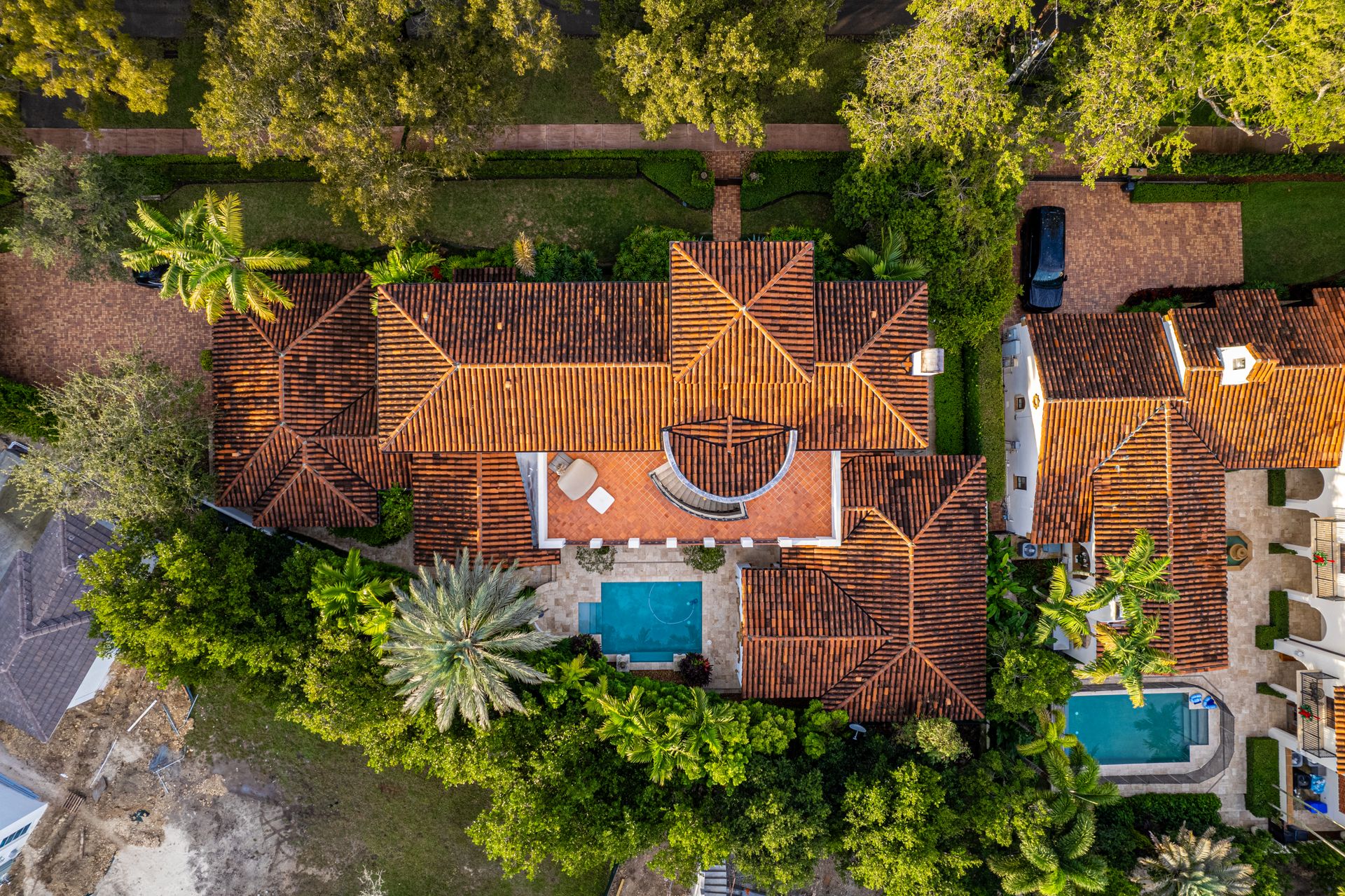
Summer changes the rhythm of South Miami-Dade. School lets out, families head off on long trips, and many seasonal residents close up their homes and leave until fall. In Pinecrest, Palmetto Bay and Coconut Grove, that means a lot of beautiful houses sitting empty for weeks at a time, often on large, leafy lots with long driveways, tall hedges and plenty of shade. The same features that give these neighborhoods their privacy also make it harder for neighbors to notice when something is wrong.
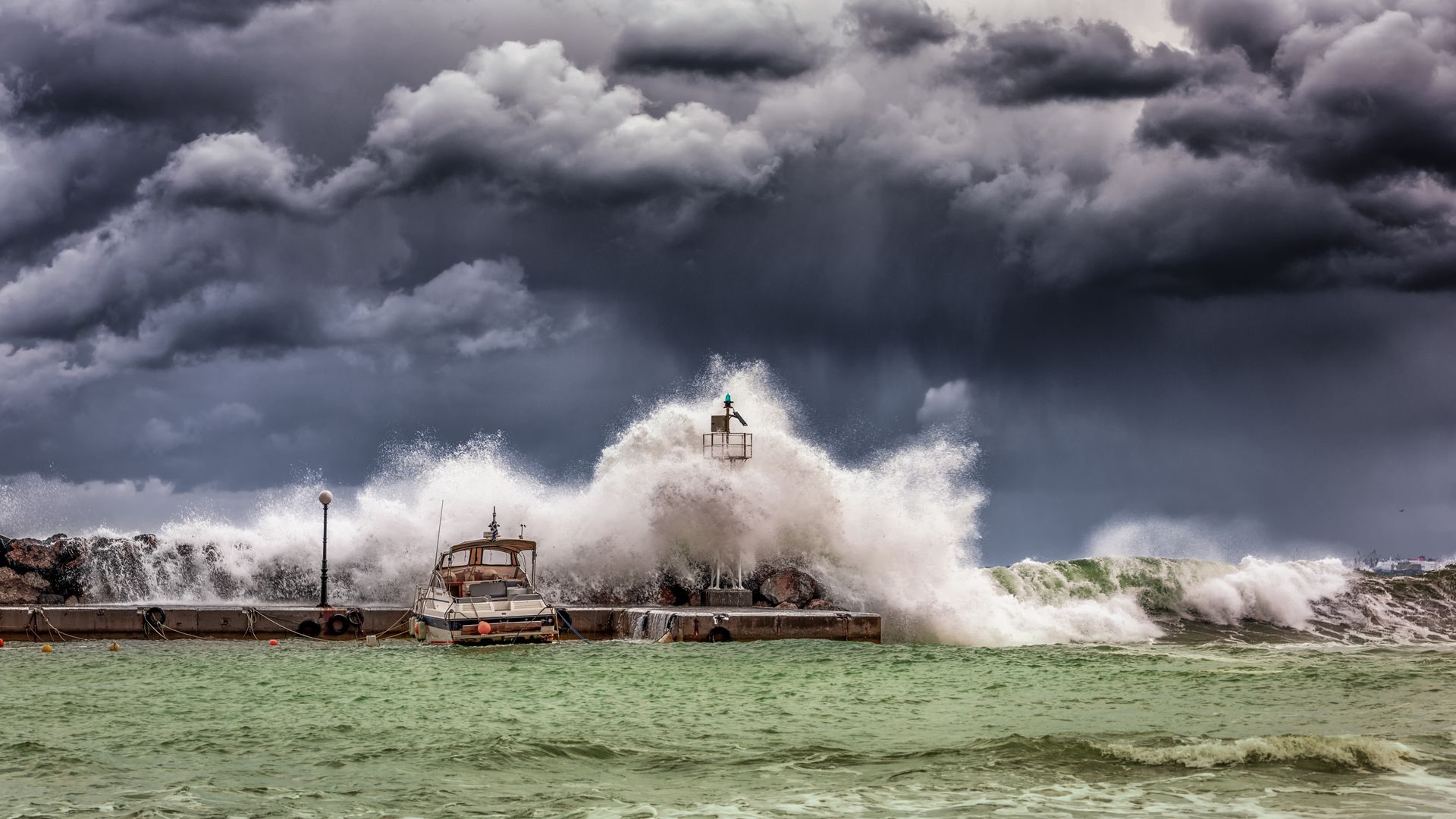
An empty house is not just a burglary risk. In a South Florida summer, it is also exposed to daily afternoon storms, power outages, the start of hurricane season, pool and irrigation problems and the simple fact that nobody is there to see a door that didn't latch. A good vacation-home patrol is about catching all of that early and telling you about it while you are still away.
- ✔ Empty homes give off visible signals: piled-up packages, the same lights every night, an untouched driveway, overgrown landscaping.
- ✔ A vacation patrol checks doors, windows, gates, the perimeter and visible signs of trouble, at scheduled and unpredictable times.
- ✔ In summer, patrols also catch storm-related problems such as fallen branches, open gates and power outages.
- ✔ GPS-tracked patrols and visit reports show you exactly when your home was checked and what was found.
- ✔ A few simple steps before you leave make the patrol far more effective.
What an empty house tells the wrong people
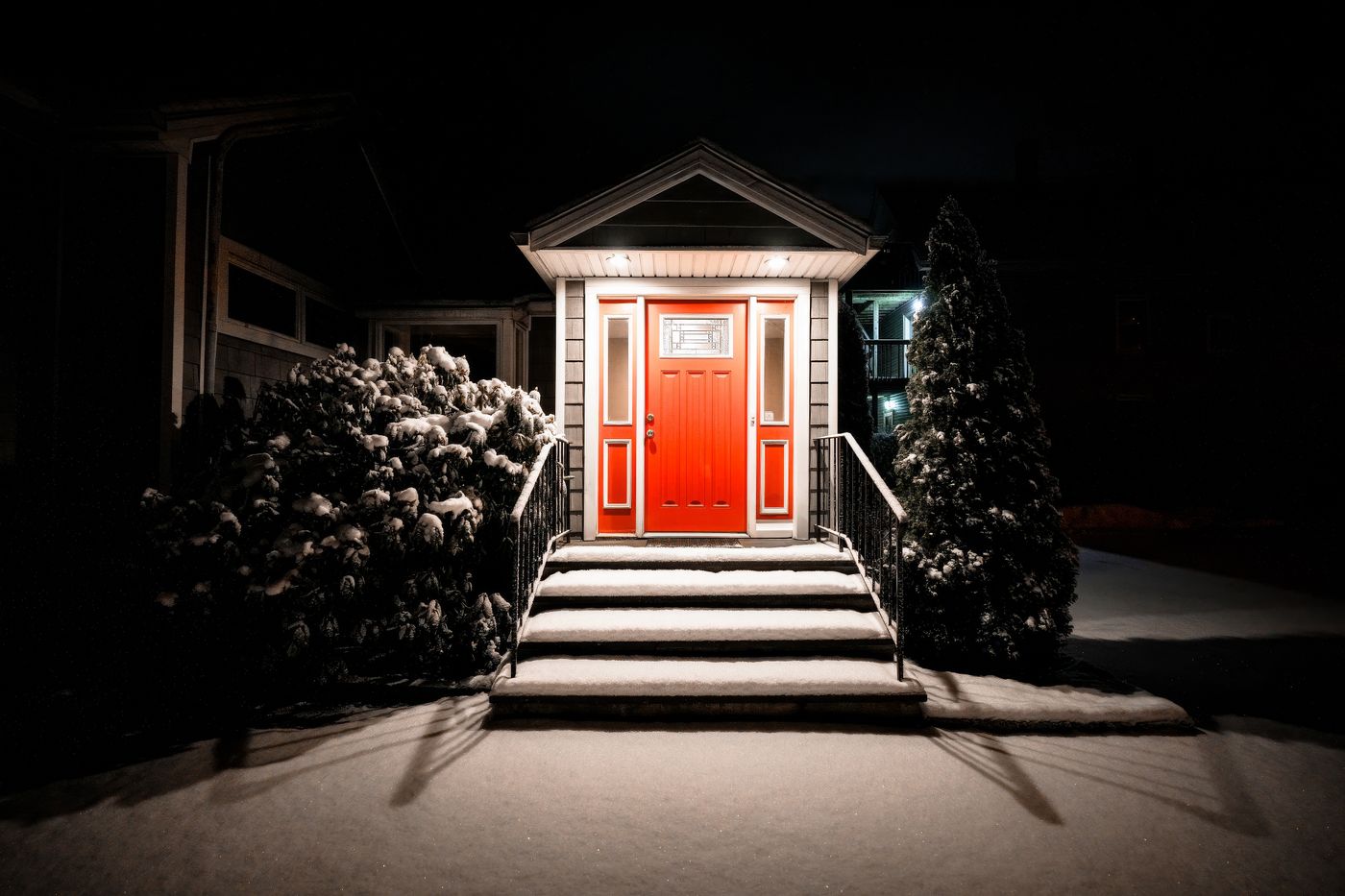
Most property crimes at homes are crimes of opportunity. People who are looking for an easy target don't need inside information; they just watch for signs that nobody is home. In a quiet residential street, those signs are surprisingly easy to spot.
A vacation patrol does not replace common sense, but it does add something a timer cannot: a trained person who actually looks at the property, notices what is out of place and reports it.
What a vacation-home patrol checks
Every home is different, so the checklist is built around your property. A typical visit includes:
- Doors and windows: front, back, side and garage doors, sliding glass doors facing the pool and any ground-floor windows, checked for signs of tampering or forced entry.
- Gates and fences: driveway gates, side gates and pool fences closed and latched, with no gaps or damage.
- Perimeter and grounds: a walk or drive around the property looking for open gates, ladders, broken lights, footprints in planters or anything that wasn't there last time.
- Visible signs of absence: packages, flyers or door hangers left in view, which the officer reports so a neighbor or family member can collect them.
- Storm checks: after heavy rain or wind, fallen branches, standing water near the house, damaged screens and power outages.
- Anything unusual: unknown vehicles parked nearby, people around the property without a clear reason, or service workers who were not expected.
How it works, step by step
Before you leave: a homeowner's checklist
- Hold your mail through the post office and pause newspaper and subscription deliveries, or ask a neighbor to collect them.
- Use smart timers on several lamps and vary the times, so the house doesn't light up exactly the same way every night.
- Keep the yard maintained. Ask your landscaper to stay on schedule while you are away.
- Lock and secure the pool area, store outdoor furniture and anything that could become a projectile in a summer storm.
- Check that cameras and the alarm are online and that you can see them from your phone, then share the right contact details with your security provider.
- Leave a key and alarm instructions with a trusted person or with your provider, according to the plan you agree on.
- Skip the live travel posts. Share the photos on social media when you are back home, not while the house is empty.
- Ask your local police department whether it offers a vacation house check or home watch program. Private patrols work well alongside it.
Summer patrols for HOAs and gated communities
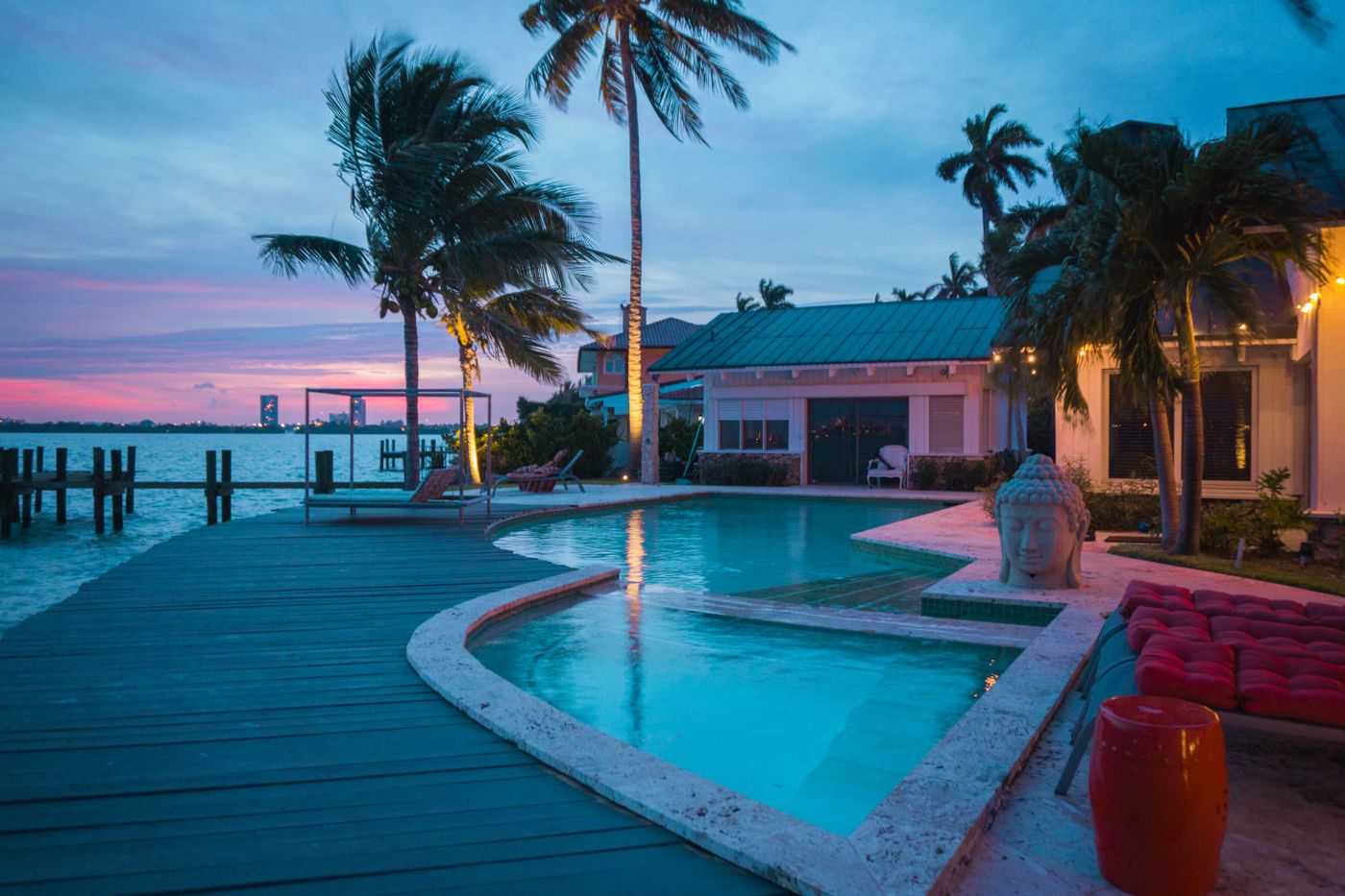
Many communities in Pinecrest, Palmetto Bay and nearby Cutler Bay see a noticeable drop in occupancy during the summer months. HOA boards and community managers can add extra patrol rounds for those weeks, offer a vacation check list that residents can join, or extend the hours of an existing gate officer. Coordinated coverage gives every resident on the list the same level of attention and gives the board a clear record of what was checked and when. You can see the full range of patrol and officer services we offer communities.
Frequently asked questions
How often should my home be checked?
It depends on the property, how long you are away and whether there are other people keeping an eye on it. Some homeowners prefer daily visits; others choose several visits a week. The important thing is that visits happen at varied, unpredictable times.
Do officers go inside the house?
That depends on what you authorize and agree to in advance. Most vacation patrols focus on the exterior and entry points. Any interior check is defined with you before you leave.
What happens if the officer finds something wrong?
The officer documents it and notifies you and your designated contacts right away. In cases such as signs of forced entry, the officer calls the police and stays to assist and report.
Can I book a patrol for a short trip?
Yes. Coverage can be arranged for a long weekend, a few weeks or the whole season. Call our Miami office and we will set it up around your dates.
The bottom line
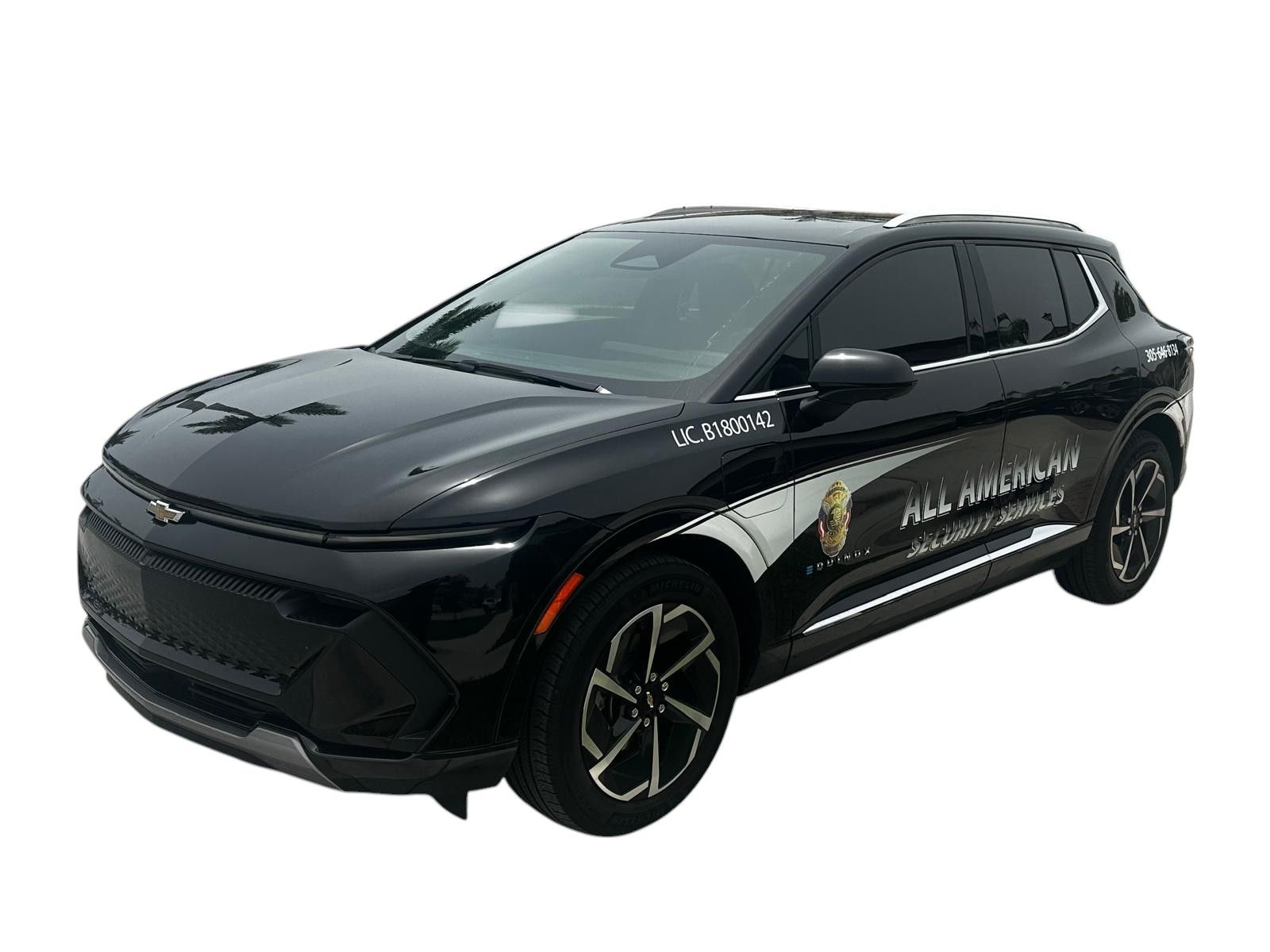
An empty house in a South Florida summer faces two kinds of risk: people looking for an easy opportunity and a season of storms that can open a gate or knock out the power without anyone noticing. A vacation-home patrol puts trained eyes on your property at unpredictable times, documents every visit and tells you right away if something needs attention. For nearly two decades, All American Security Services has helped homeowners and communities across South Florida travel with peace of mind.

How to Choose a Security Company in Tampa & Clearwater: Licenses, Insurance and the Questions to Ask