Back to School: Campus Security for Private Schools in Coral Gables & Pinecrest
The first weeks of the school year are some of the busiest on any campus. In the private schools of Coral Gables and Pinecrest, August brings new students, new parents who do not yet know the routines, substitute and new staff, delivery trucks restocking the cafeteria and drop-off lines that spill onto residential streets. Every one of those changes creates a moment where the usual rules can slip.
Parents rarely ask about security out loud, but they notice it. They notice whether someone greets them at the gate, whether visitors are asked for ID, and whether the dismissal line feels organized or chaotic. A clear plan, carried out every day by calm and trained officers who know the campus, builds the kind of confidence families talk about. This guide explains how school leaders can put that plan together.
- ✔ Most campus security happens at a few predictable moments: arrival, visitor check-in, dismissal and after-hours events.
- ✔ Officers support the school's own safety plan; they do not replace the administration's decisions or law enforcement.
- ✔ The best school officers are visible, friendly and consistent, so children and parents recognize them.
- ✔ Nights, weekends and summer breaks need coverage too, when campuses are empty and easier to vandalize.
Start with the school's plan, not the guard
Security officers are most effective when they work inside a plan the school already owns. Before the first day, the head of school, the facilities lead and the security provider should agree on a few basics:
- Who decides what. Which administrator makes the call during an incident, and who is the backup when that person is off campus?
- The approved entry points for students, staff, visitors and deliveries, and the hours each one is open.
- The authorized pickup process and what an officer should do when an adult who is not on the list arrives.
- Emergency procedures for lockdown, evacuation, severe weather and medical calls, and where the officer's role starts and ends.
- Who receives reports and how quickly urgent issues must be escalated.
Florida has specific school-safety requirements, and they can apply differently to private schools than to public ones. School leaders should confirm the rules that apply to their campus with their legal counsel, their accrediting association and local law enforcement.
A school day, from the officer's point of view
Drop-off and pickup: where most risk concentrates
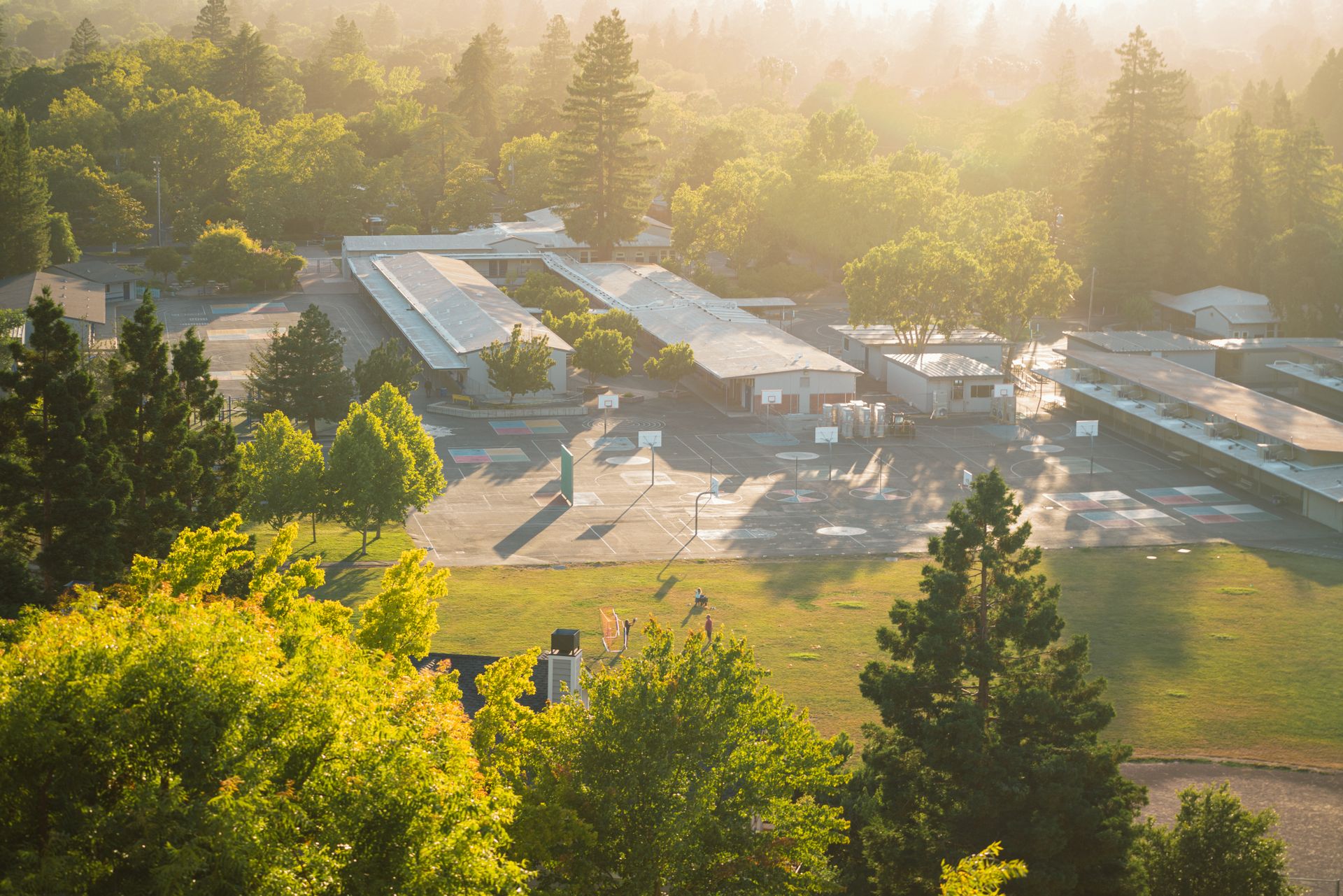
Ask any school administrator in Pinecrest or Coral Gables where the stress of the day is, and the answer is usually the car line. Hundreds of vehicles arrive in a short window, often on roads shared with neighbors who are trying to get to work. Children are excited, parents are in a hurry and the line backs up onto the street.
An officer's job here is part safety and part order: keeping walkers away from moving cars, making sure gates close behind the line, watching for vehicles that stop where they should not, and following the school's rules for releasing children only to authorized adults. When something looks wrong, the officer alerts the administrator on duty rather than improvising.
What makes a good school security officer
Day coverage vs. nights, weekends and breaks
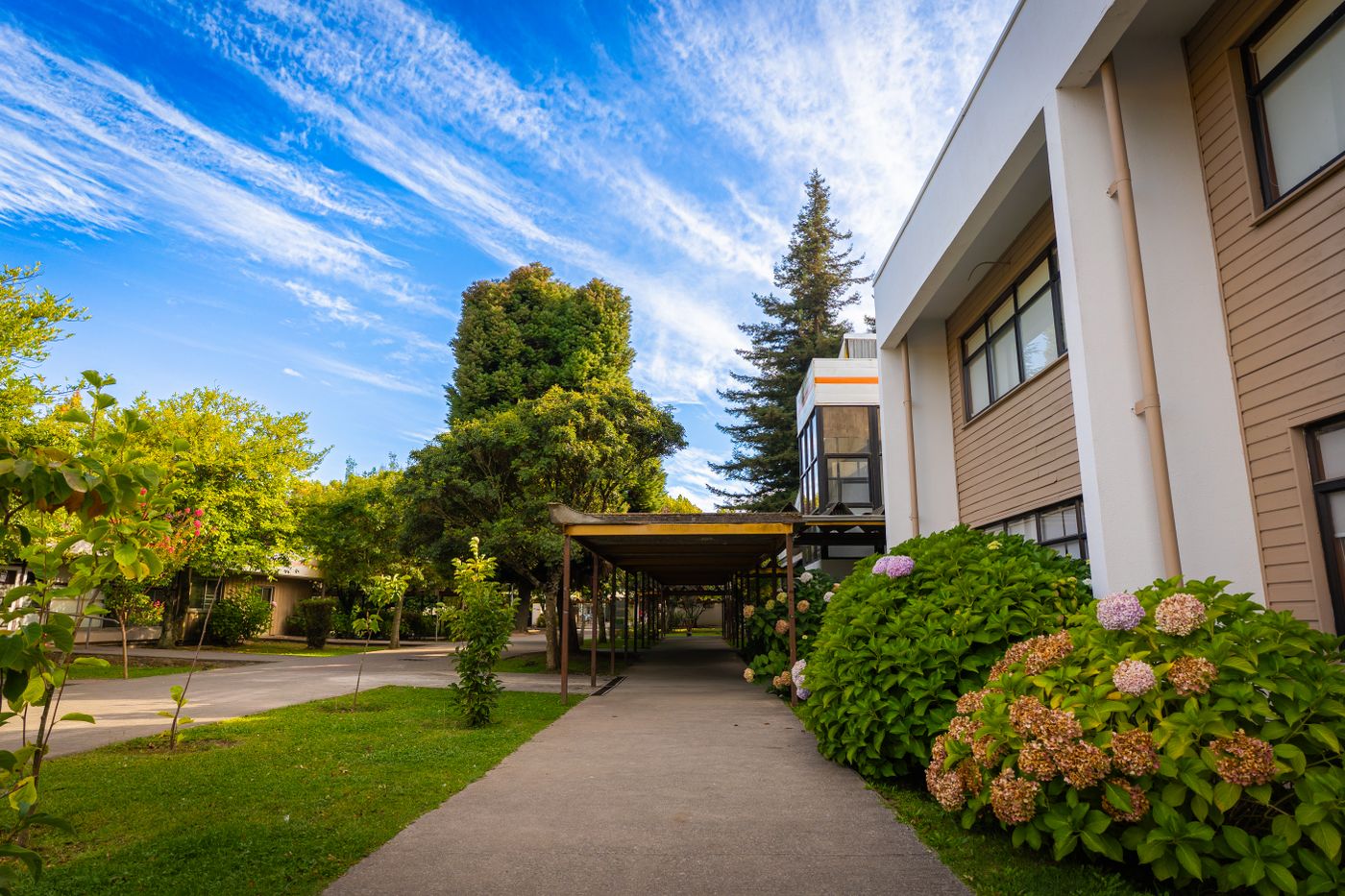
Many schools focus on the school day and forget the many hours when the campus is empty. Vandalism, break-ins and people using the fields or parking lots after hours tend to happen when nobody is around. Both periods need a plan.
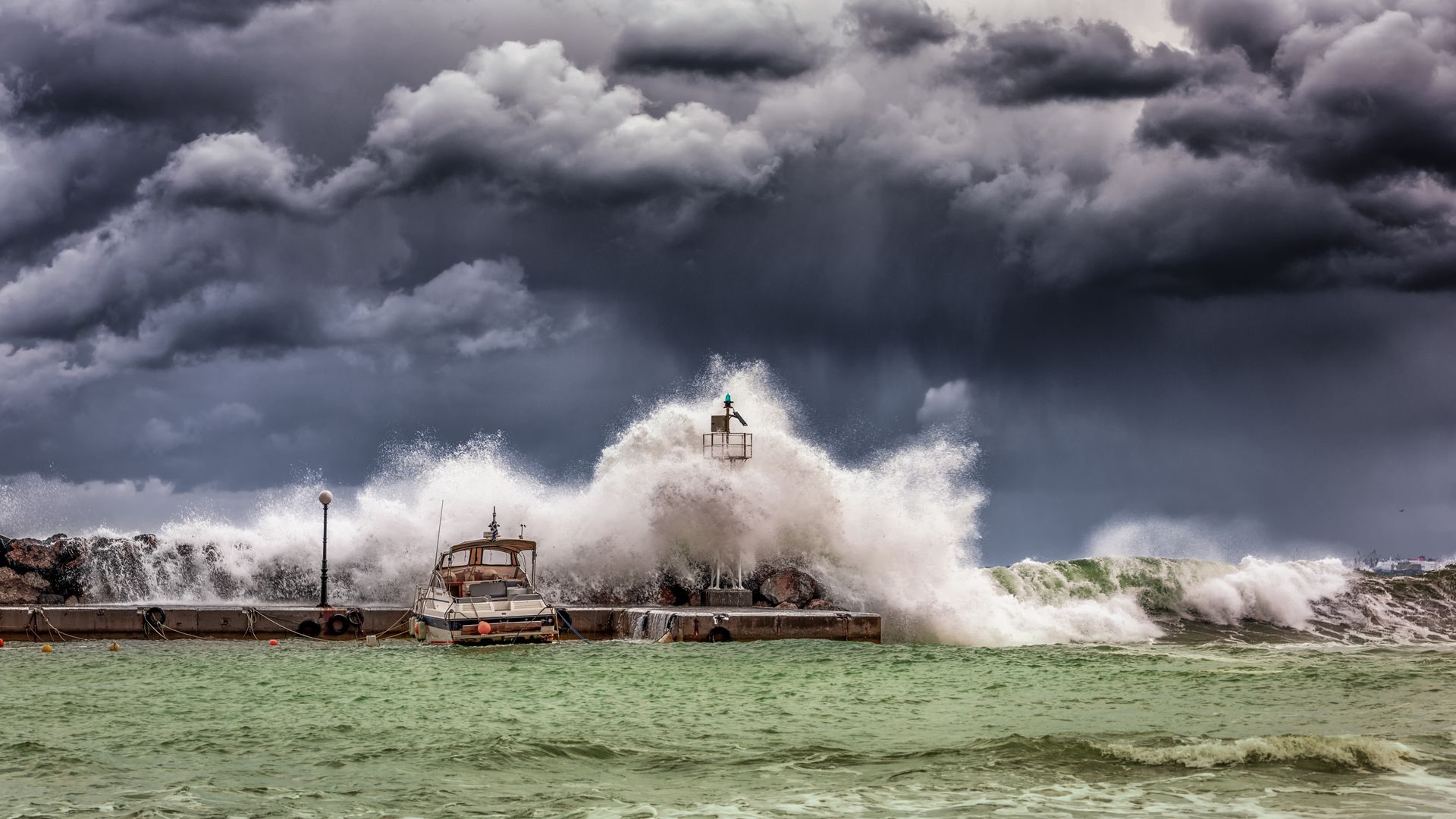
August in South Florida is also the heart of hurricane season. Before a storm, officers can help confirm that the campus is secured, and after it passes, a patrol can check for damage, downed fences and open buildings before families return. Our event management and patrol services cover both.
Technology that supports the officer
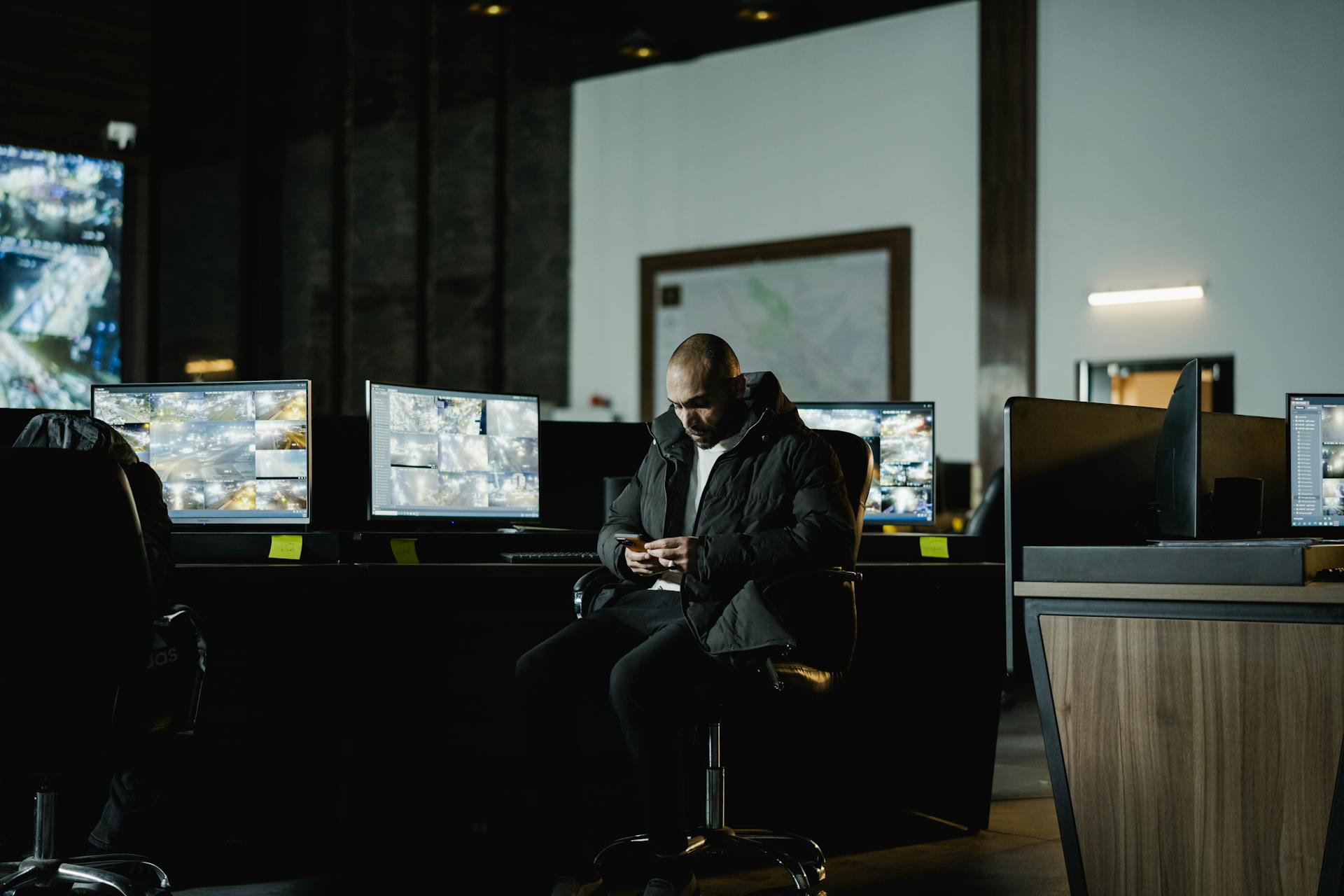
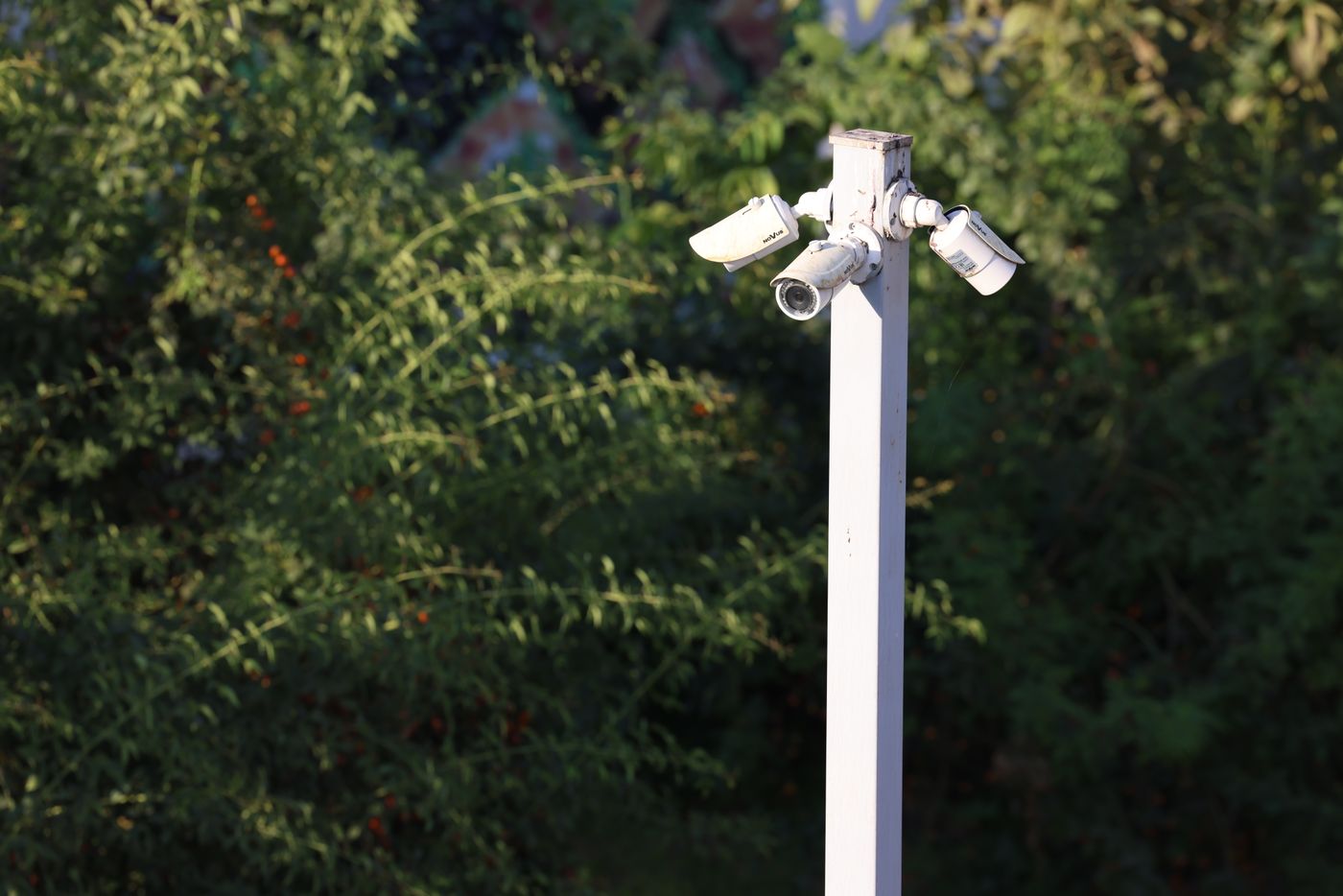
Cameras, access control systems and visitor management software make a campus safer, but only if someone is watching the details. An officer on patrol notices the camera that stopped working, the gate that no longer latches or the door that is always propped open. Our officers' patrols are GPS-tracked and logged, so administrators can confirm when and where checks happened. Learn more about the technology behind our patrols.
Frequently asked questions
Should a private school use armed officers?
It is a decision for the school's leadership and board, made with legal counsel, insurers and local law enforcement. Armed officers must hold a Florida Class “G” statewide firearm license in addition to the Class “D” license, and the school should have a written use-of-force policy and confirm its insurance coverage. Many campuses choose unarmed officers focused on access control and observation. We can explain both options without pressure.
Can you cover only events?
Yes. Evening games, galas, graduations and open houses can be covered on their own, with officers handling parking, entrances and crowd flow.
Do officers take part in drills?
They can. Officers should know the school's lockdown and evacuation procedures and practice their part with staff. The administration leads the drills.
Do you work with schools outside Coral Gables and Pinecrest?
Yes. We serve campuses and institutions across Miami-Dade, including Palmetto Bay, Coconut Grove, Kendall and Cutler Bay.
The bottom line
School security is not about making a campus feel like a fortress. It is about routines that work every single day: a known face at the gate, visitors who are always checked in, a dismissal line that runs safely and a campus that stays protected when everyone has gone home. With the right plan in place before the first bell, families feel it from day one. Talk to our team to schedule a campus walk-through before the year gets busy.
How to Choose a Security Company in Tampa & Clearwater: Licenses, Insurance and the Questions to Ask