Overnight Security for Car Dealerships and Auto Lots in Hialeah & North Miami
When the showroom lights go off, most businesses lock their valuables inside. A car dealership does the opposite. New inventory, trade-ins, customer cars waiting for service, loaner vehicles and pallets of parts stay outside all night, often on a lot that faces a busy road. On the dealer corridors of Hialeah and along Biscayne Boulevard in North Miami, that makes auto lots one of the most attractive overnight targets in Miami-Dade.
The answer is not a guard sitting in a chair until morning. It is a plan: the right mix of on-site officers and mobile patrols, closing and opening procedures that leave no gaps, and reports that tell the general manager exactly what happened while the lot was closed. This guide walks through how we build that plan for dealerships and independent lots.
- ✔ Auto lots are targeted for wheels, catalytic converters, keys and sometimes whole vehicles, usually in the quiet hours after closing.
- ✔ A visible officer and unpredictable patrol rounds are a strong deterrent, because thieves look for lots where nobody seems to be watching.
- ✔ The weakest moments are closing and opening: gates, key storage, alarms and service-bay doors need a written routine.
- ✔ GPS-verified rounds and a daily report give managers proof of coverage and a record they can share with insurers or police if something happens.
What thieves look for on an auto lot
Car lots attract several different kinds of offenders, and each one works differently. Knowing what they want helps decide where officers should spend their time.
Add vandalism, broken windows, graffiti and people sleeping in unlocked vehicles, and the list of things that can go wrong between closing and opening gets long.
Why Hialeah and North Miami lots need a night plan
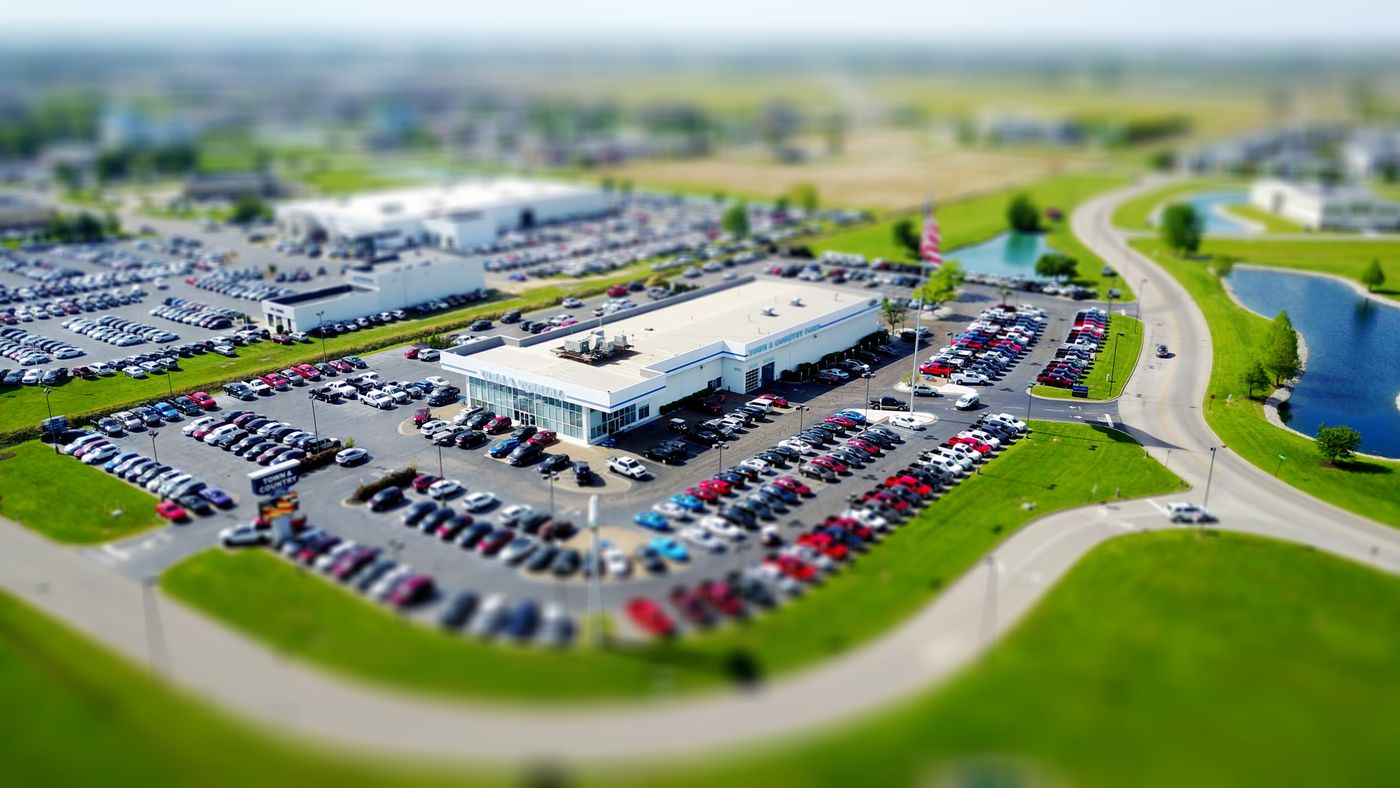
Dealerships and used-car lots in these areas tend to share the same conditions: high-traffic roads right outside the fence, mixed commercial and residential blocks behind them, and long hours of darkness when the business is closed. Inventory is visible from the street by design, which is good for sales and also tells everyone driving past exactly what is there.
Many lots are also tight. Cars are parked bumper to bumper, which leaves narrow aisles where someone can work out of sight. Service departments often hold customer vehicles overnight, which adds a second layer of responsibility: if a customer's car is damaged on your lot, the problem is not only financial, it is also about trust.
On-site officer or mobile patrol?
Both work, and many dealerships combine them. The right choice depends on the size of the lot, the value of the inventory and how long it is closed.
How a night on the lot should run
The value of overnight security is in the routine. This is the structure we adapt to each dealership:
Small changes that make officers more effective
Security works best when the lot is set up to support it. Most of these cost little or nothing:
- Light the back rows, not only the front line. Bright showroom lighting with a dark back fence pushes problems to where nobody can see them.
- Park high-value units where they can be seen from the officer's post or patrol route.
- Use wheel locks or block the most targeted models with other vehicles at night.
- Keep the key system strict. Keys go in a secured box or safe at closing, with a sign-in log during the day.
- Trim landscaping and remove clutter along fence lines so there are fewer places to hide.
- Check cameras every week. Our officers report dead cameras and lights on their rounds, but someone has to get them fixed.
What the morning report should tell you
A general manager should not have to guess what happened overnight. A useful report answers a few simple questions:
- Was the lot secured at closing, and by whom?
- When were the rounds made, and does the GPS log match?
- Was anything found open, broken or out of place?
- Were there any visitors, suspicious vehicles or calls to police?
- Are there maintenance issues, such as lights or cameras, that need attention today?
Over a few weeks, these reports also reveal patterns: the same dark corner, the same gate that does not latch, the same hour when people cut through the property. That is the information you need to adjust the plan. Learn more about how we record patrols on our technology page.
Frequently asked questions
Do we need armed or unarmed officers?
Most dealerships use unarmed officers, whose job is to observe, deter and report. Armed officers must hold a Florida Class “G” statewide firearm license in addition to their Class “D” security license. The decision should consider your risk, your insurance and a clear use-of-force policy. We can walk you through the options.
Can you cover only weekends or holidays?
Yes. Many lots are most exposed on long weekends and holidays, when they stay closed for extended periods. Coverage can be scheduled around those windows.
Do you work with independent used-car lots?
Yes. Smaller lots often start with mobile patrol checks and add an on-site officer if the inventory or risk grows.
Which areas do you cover?
We serve dealerships and businesses across Miami-Dade, including Hialeah, North Miami, Aventura and Downtown Miami, and in the Tampa Bay area from our Tampa office. See all our security services.
The bottom line
A dealership's inventory spends more hours on the lot with the doors locked than with salespeople around it. A visible officer, unpredictable patrols and a strict closing and opening routine make your lot a harder target than the one down the road, and a daily report means you start every morning knowing exactly what happened. With nearly two decades protecting South Florida properties, we can help you design a night plan that fits your lot and your hours.
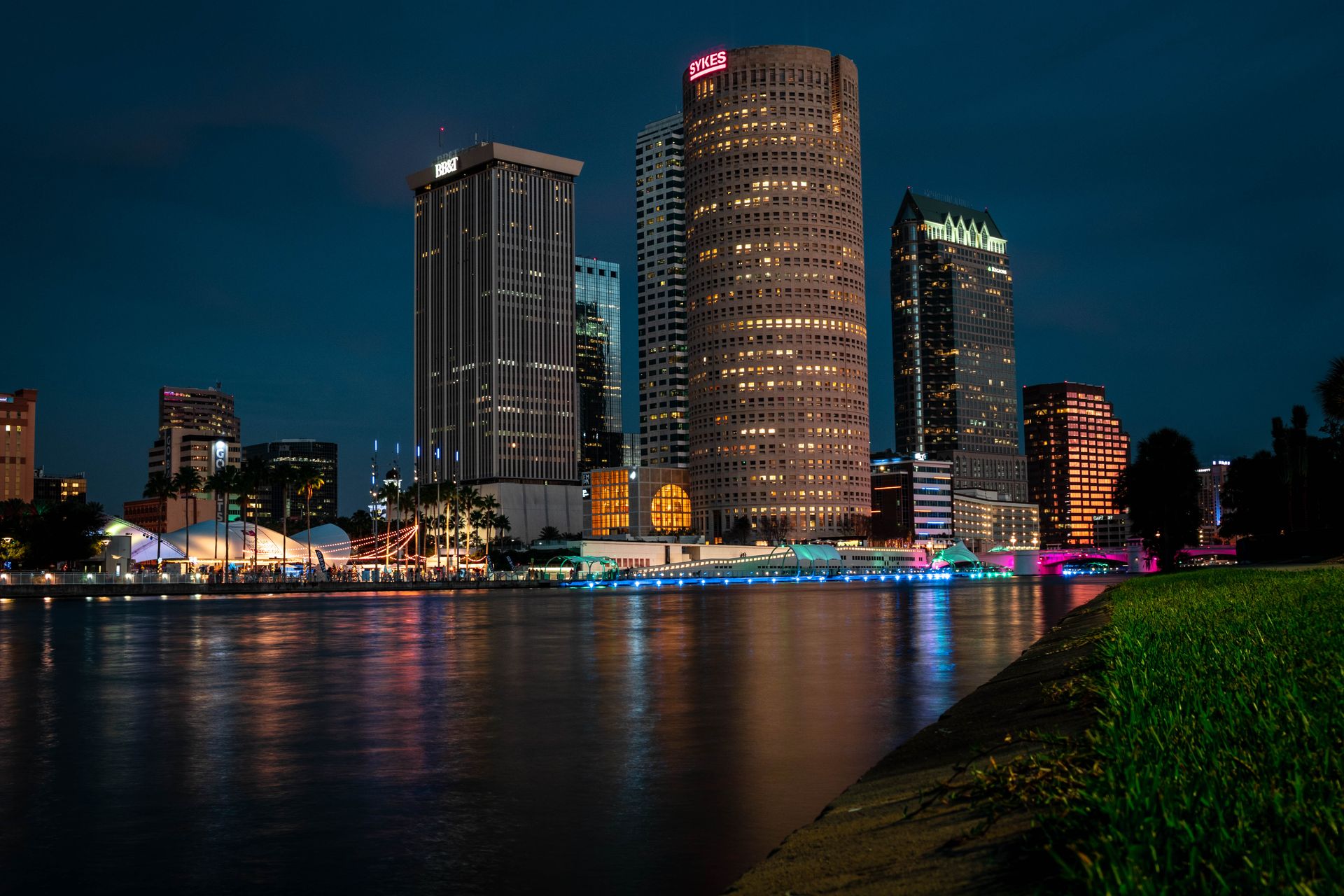
How to Choose a Security Company in Tampa & Clearwater: Licenses, Insurance and the Questions to Ask