How to Choose a Security Company in Tampa & Clearwater: Licenses, Insurance and the Questions to Ask
Hiring a security company is one of those decisions that looks simple on paper and turns out to be anything but. In Tampa and Clearwater, a property manager or HOA board can collect several proposals in a week, from national firms to one-person operations. The prices will vary, the promises will sound similar and every brochure will say "professional," "trained" and "reliable."
The differences show up later: when an officer does not arrive for a night shift, when a resident complains and nobody can say whether the rounds were made, or when an incident happens and the insurance paperwork is not in order. This guide is the checklist we would want our own clients to use, whether they hire us or not. It covers Florida licensing, insurance, supervision, reporting and the questions that separate a real security partner from a low bid.
- ✔ The agency and every officer assigned to you hold the Florida licenses their work requires, and that those licenses are active.
- ✔ Insurance certificates are current and match what your property, management company or lender requires.
- ✔ There is a clear answer to who supervises officers at night and on weekends, and how patrols are verified.
- ✔ You know exactly what reports you will receive, how often, and how urgent issues reach you.
Why the Tampa Bay market makes this decision harder
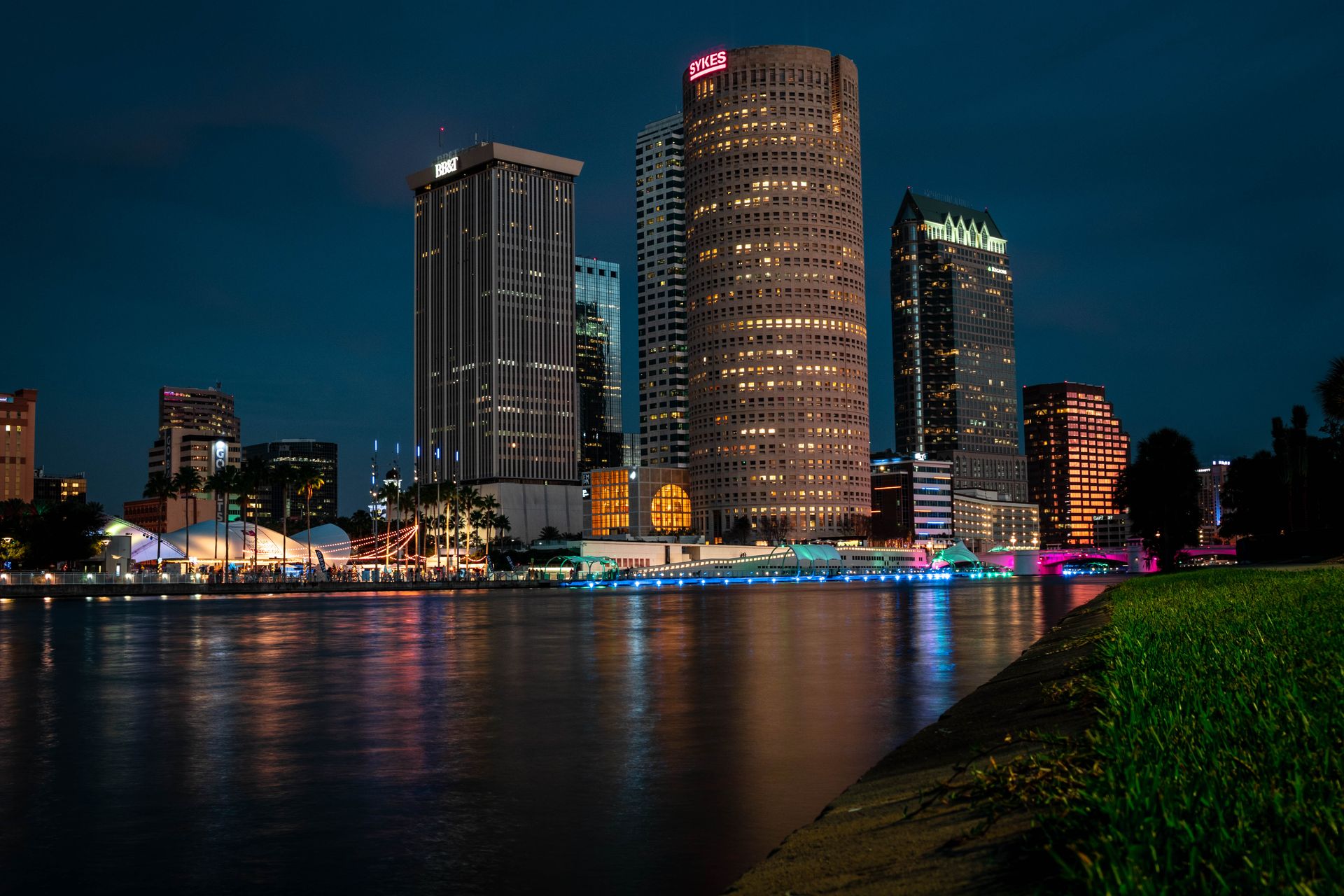
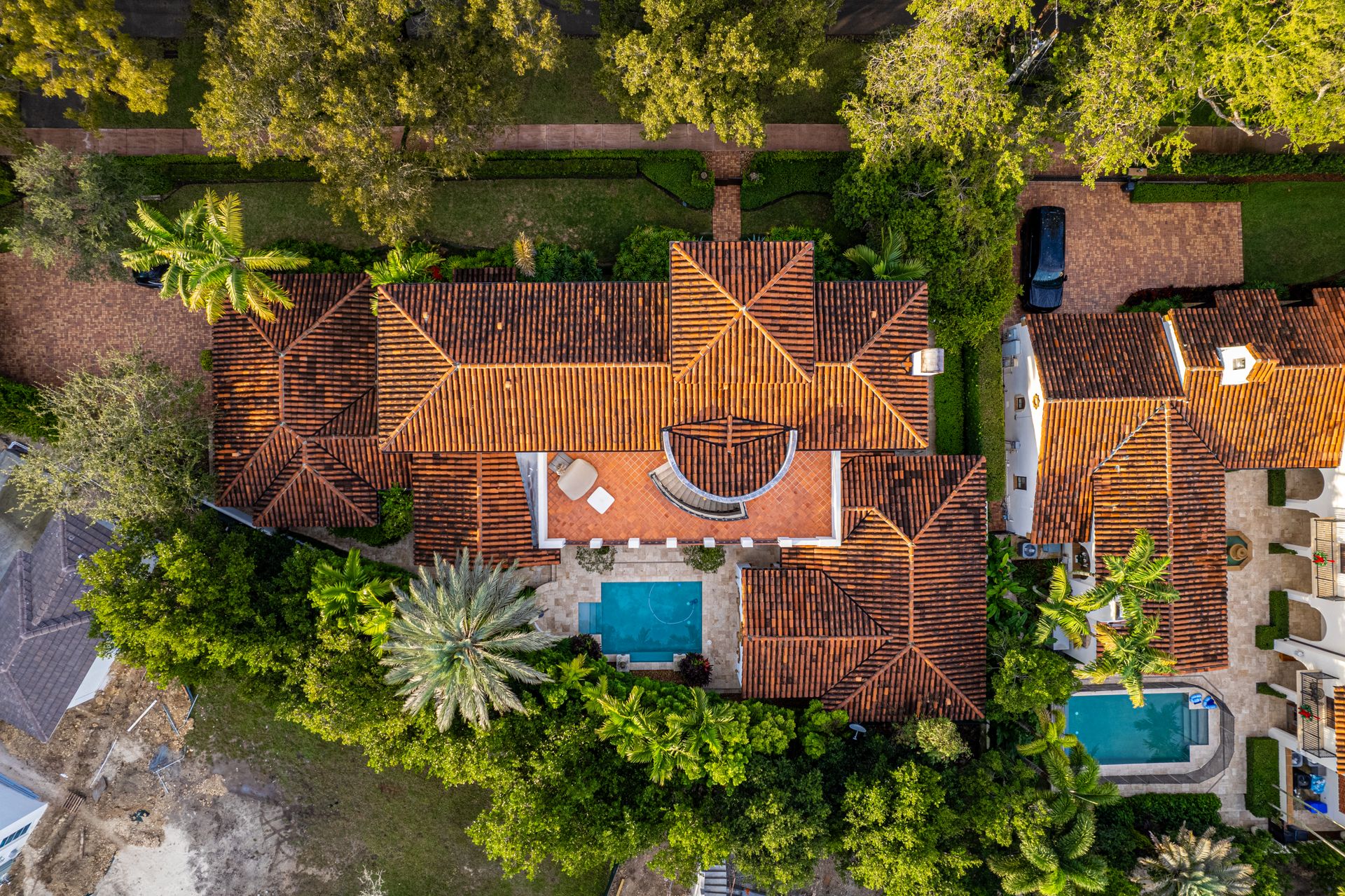
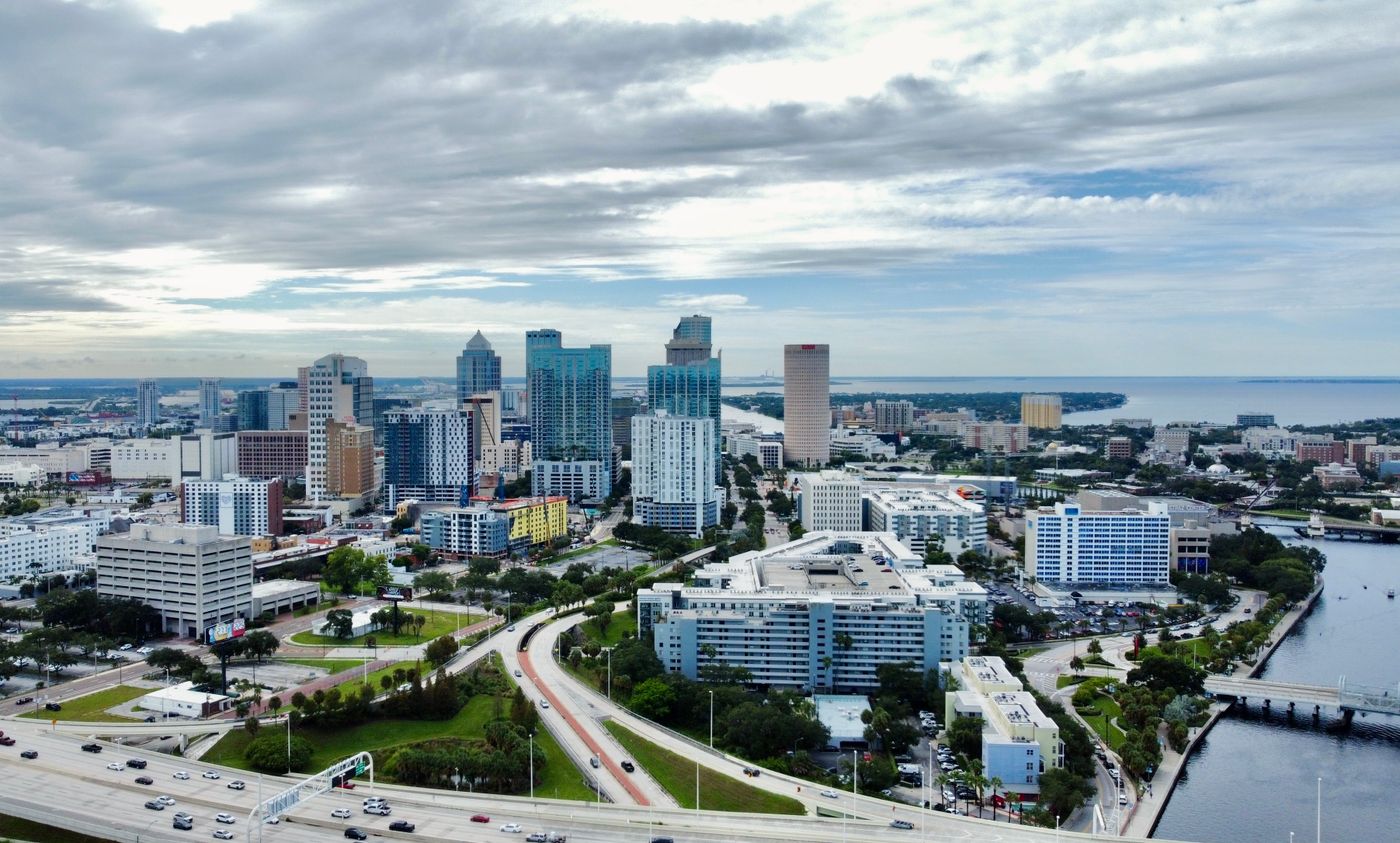
The Tampa Bay area has grown quickly, and so has the demand for security. Office towers in Westshore and downtown Tampa, apartment communities and HOAs across Hillsborough and Pinellas, retail along the US-19 corridor, hotels and condos near Clearwater Beach, construction sites and nightlife districts like Ybor City all need different kinds of coverage. Seasonal peaks, from winter visitors to event weekends, change staffing needs during the year, and hurricane season adds storm preparation and post-storm patrols to the list.
That variety is exactly why a generic proposal is a warning sign. A company that understands your type of property will ask detailed questions before it quotes a price.
1. Florida licenses: the non-negotiable starting point
In Florida, private security is regulated. Licenses are issued by the Florida Department of Agriculture and Consumer Services, Division of Licensing. The three you should know:
Ask for the agency license number and, for the officers assigned to your property, their license information. Then confirm them yourself.
2. Insurance: ask for certificates, not promises
Security work involves people, property and sometimes conflict, so insurance is a core part of the decision. At a minimum, ask for current certificates and review them with your insurance agent or management company:
- General liability coverage, with limits that meet your property's or lender's requirements.
- Workers' compensation for the officers who will be on your site.
- Auto liability if the company will use patrol vehicles on your property.
- Additional insured status for your association or management company, when your contracts require it.
- Coverage for armed posts, if you are considering armed officers. Confirm the policy covers that service specifically.
We are not insurance or legal advisors, and every property's requirements are different. The point is simple: get the documents before the first shift, and check them with someone who knows what your property needs.
3. Armed or unarmed: a decision, not an upsell
Most properties are well served by unarmed officers whose job is to observe, deter and report. Armed coverage can make sense in specific situations, but it comes with added requirements: the Class “G” license, ongoing firearm training, a written use-of-force policy and insurance that covers armed work. A good provider will explain both options honestly and help you match the coverage to the actual risk, not push the more expensive one.
4. Supervision and verification
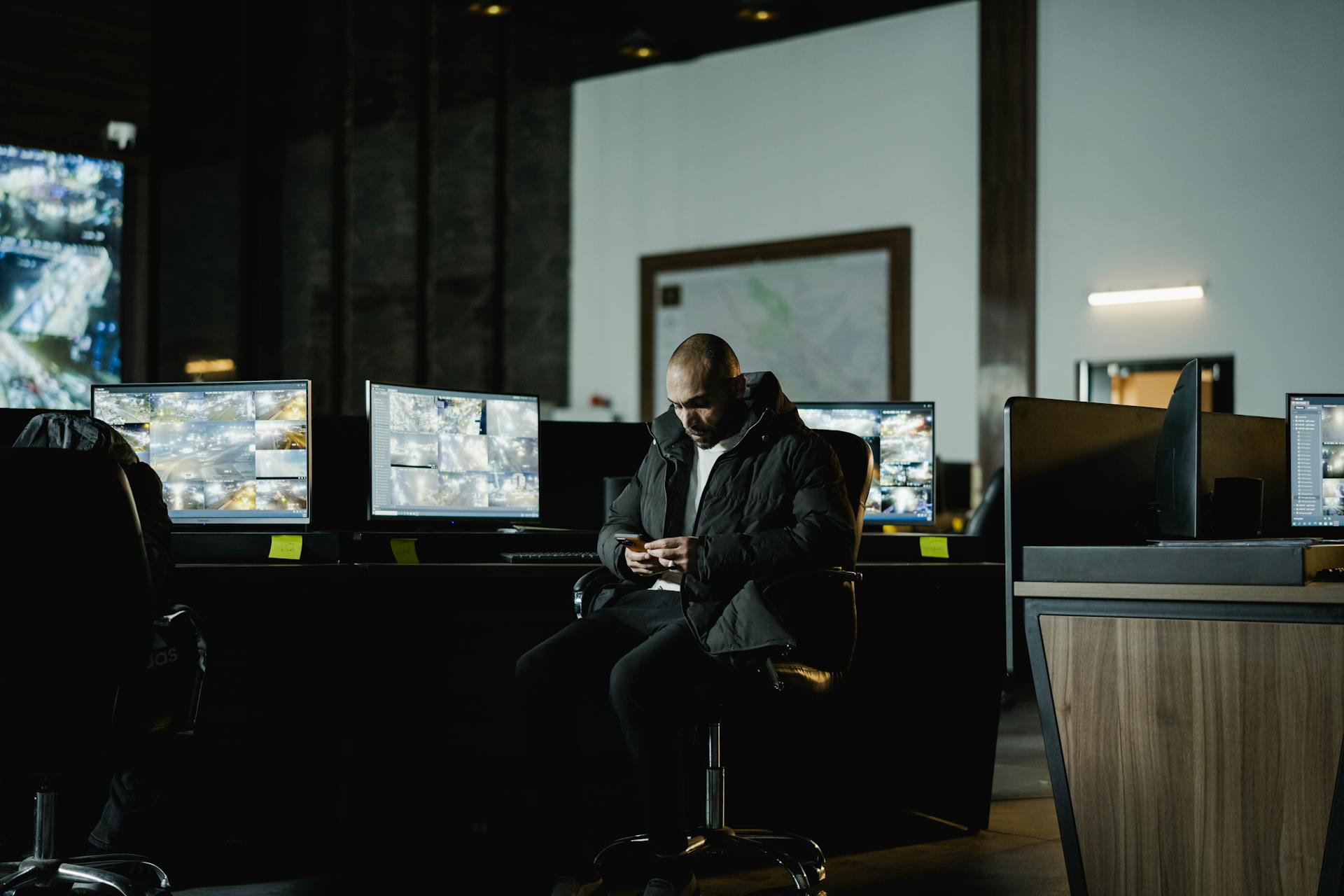
An officer alone at 3 a.m. needs someone to call, and you need to know that the rounds you are paying for actually happen. Ask how the company handles both. At All American Security Services, patrols are GPS-tracked and logged, Geo Fence alerts give supervisors real-time visibility, and our DTR Patrol software makes reports accessible anywhere with an Internet connection. Learn more on our technology page.

Questions to ask every company on your list
- What are your agency license number and the license details of the officers you will assign to us?
- Can you send current certificates of insurance, and add us as an additional insured if our contract requires it?
- How do you screen, train and evaluate officers, and how do you train them on our specific site?
- Will the same officers be assigned to our property, and what happens if one calls out sick?
- Who supervises officers on nights, weekends and holidays, and how do we reach that person?
- How are patrols verified, and can we see the data?
- What reports will we receive, how often, and how are urgent incidents communicated?
- Have you protected properties like ours, and can you share references we can call?
- What does your hurricane season plan look like for clients?
- What happens if we are not satisfied with an officer or with the service?
Low bid vs. right partner
Price matters, and nobody wants to overpay. But the hourly rate is only part of the cost. Missed shifts, weak reports and turnover all have a price, even if it does not appear on the invoice.
How to run the hiring process
Why a local office matters
A company with a real presence in the area knows the neighborhoods, the traffic, the seasonal patterns and the local police districts, and its supervisors can reach your property quickly when something needs attention in person. All American Security Services has offices in Miami and Tampa and nearly two decades of experience protecting residential, commercial and event properties across Florida.

Frequently asked questions
How can I check if a security license is valid?
Security licenses in Florida are issued by the Florida Department of Agriculture and Consumer Services, Division of Licensing, which provides ways to verify them. Ask the company for license numbers and check them directly with the Division.
Do all officers need a license, even unarmed ones?
Security officers in Florida need a Class “D” license, and armed officers also need a Class “G” license. For questions about a specific role or post, check with the Division of Licensing.
Should we choose a company with a Tampa office?
It is not the only factor, but a local office usually means faster supervision, managers who know the area and easier communication. Ask where the supervisors who will cover your property are based.
Do you serve areas outside Tampa and Clearwater?
Yes. From our Tampa office we serve the Tampa Bay area, and from Miami we cover South Florida, including Brickell, Aventura, Coral Gables and Kendall. See all our security services.
The bottom line
Choosing a security company is choosing who represents your property when you are not there. Verify the licenses, read the insurance certificates, ask how supervision and reporting really work, and compare proposals by what they cover, not just what they cost. We are happy to answer every question on this list, in writing and in person. Contact our team to schedule a free site visit in Tampa, Clearwater or anywhere in the Tampa Bay area.