Observe, Deter, Record, Report: How Our Officers Document Every Shift

Mijael • September 15, 2026

Ask a property manager what they want from a security company and the first answer is usually "someone on site." Ask what frustrates them about security companies, and the answer is almost always the same: "I never really know what happened." A guard who was supposed to make rounds all night, a gate that was found open in the morning, an incident that nobody wrote down until the resident complained. Without records, security is a matter of trust, and trust is hard to defend in a board meeting.

That is why our motto is not a slogan on a truck. "Observe, Deter, Record, and Report" is the structure of every shift our officers work, from condo towers in Brickell to office parks in Tampa. This article explains what each step means in practice, the technology that supports it, and what you, as a manager, owner or HOA board member, should expect to receive.

Key takeaways
  • ✔ Every shift follows four steps: observe the property, deter problems with a visible presence, record what happens and report it to management.
  • ✔ GPS tracking and Geo Fence alerts show where and when officers patrolled, so coverage can be verified rather than assumed.
  • ✔ With DTR Patrol, reports are available anywhere with an Internet connection, not buried in a binder at the guard desk.
  • ✔ Good records help boards and managers spot patterns, fix recurring problems and give insurers or police a clear, time-stamped account.
Observe
see what is out of place
Deter
make the property a harder target
Record
capture time, place and facts
Report
put it in management's hands

Step 1: Observe

Observation is the foundation. An officer who knows the property well notices what is different tonight: a door that is usually locked, a car that has been parked in a visitor space for three days, a light that went out in the stairwell, water pooling near an electrical room. Many of the most useful observations are not about crime at all. They are about safety and maintenance issues that would otherwise go unnoticed until they became expensive.

On every round, our officers look at:

  • Access points: doors, gates, garage entrances, roof and service access.
  • People and vehicles that do not match the normal pattern of the property.
  • Lighting and cameras that are out, damaged or pointed the wrong way.
  • Safety hazards: blocked exits, leaks, trip hazards, damaged fences or railings.
  • Amenities and common areas such as pools, gyms, mailrooms and parking decks.
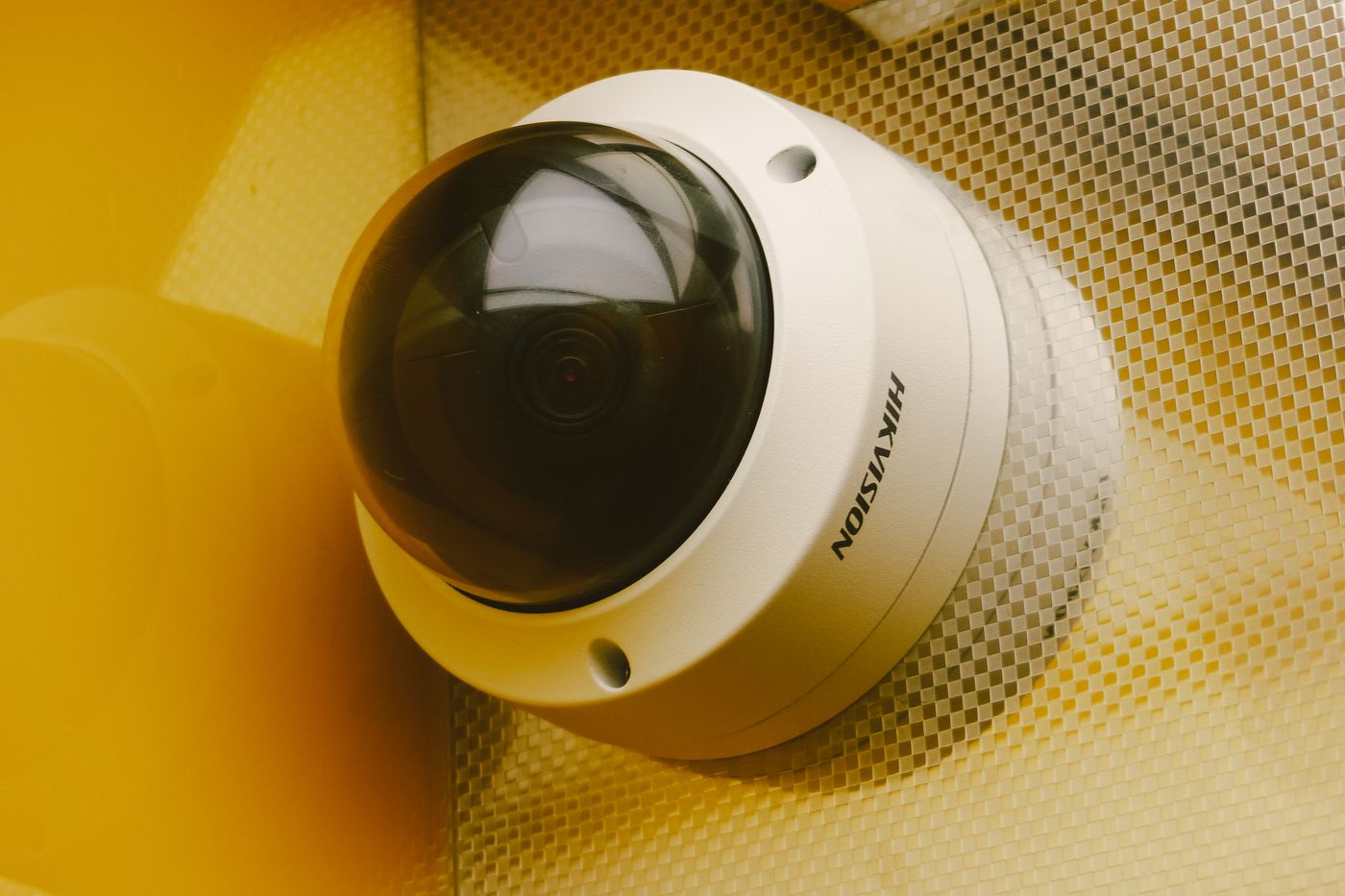
Close-up of a dome security camera
Cameras capture images; officers interpret them. Checking that each camera is working and aimed correctly is part of every round.

Step 2: Deter

Most people who are looking for an opportunity choose the property where nobody seems to be paying attention. A uniformed officer, a marked patrol vehicle and rounds at unpredictable times change that calculation. Deterrence is the part of security that is hardest to measure, because the best result is that nothing happens, but it is the reason a visible presence matters.

Deterrence also depends on consistency. Rounds at the same time every night teach anyone watching exactly when the coast is clear. Random timing, varied routes and an officer who actually gets out of the vehicle to check doors send a much stronger message.
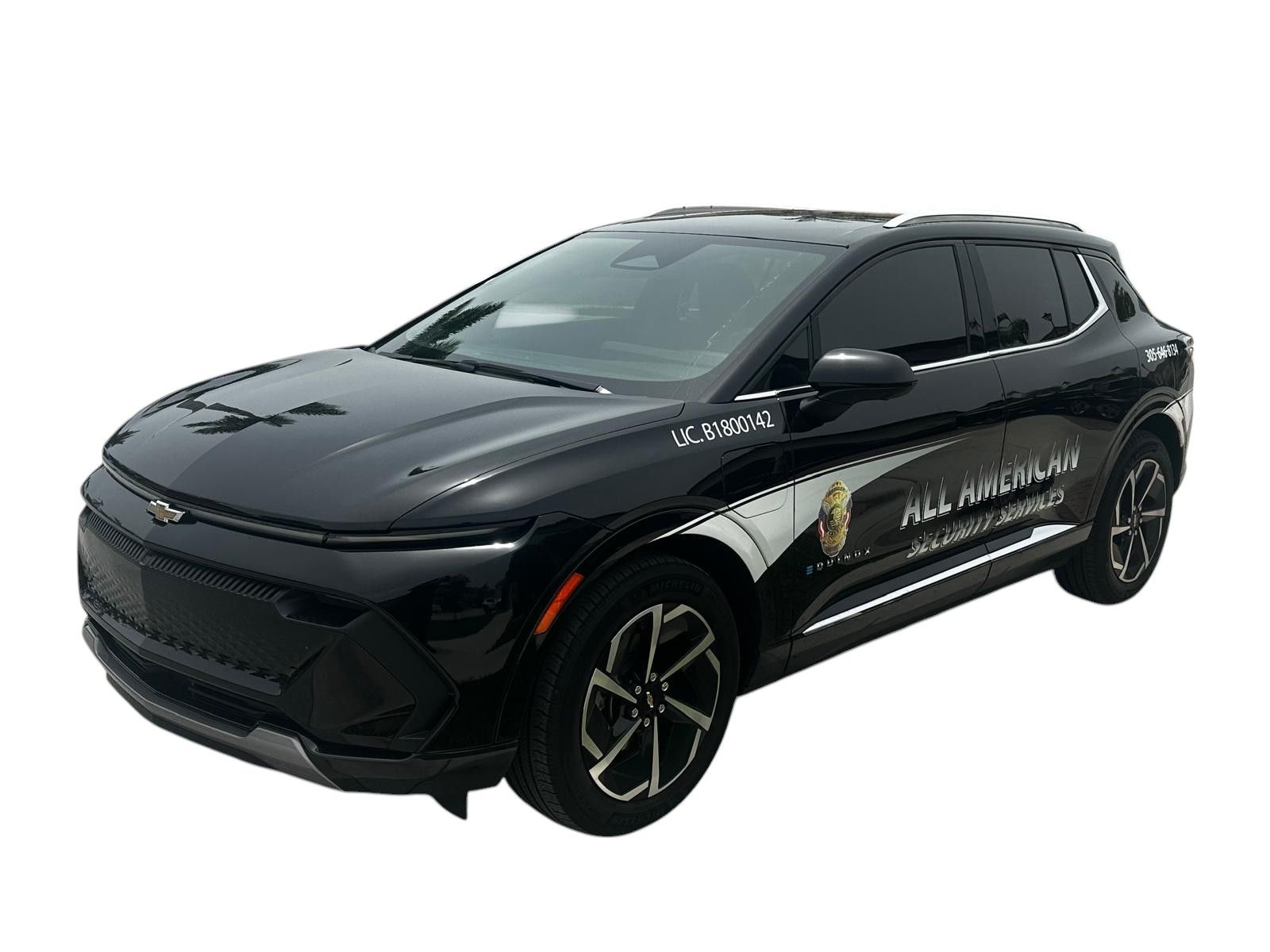
All American Security Services marked black patrol SUV
One of our marked patrol vehicles. A visible, clearly identified vehicle is a deterrent on its own, and its GPS-tracked route becomes part of the shift record.

Step 3: Record

This is where many security providers fall short, and where technology makes the biggest difference. Our officers work with tools that create a record automatically and let them add the details only a person can provide.

📍
GPS tracking
Our tracking system uses GPS to record officer locations with addresses, timestamps, speed and other relevant data. Patrol coverage can be checked against the map instead of taken on faith.
🛰️
Geo Fence
Geo Fence gives managers, road captains and site supervisors real-time tracking, and alerts them when an officer is in a specific location for a set amount of time.
💻
DTR Patrol
Our DTR Patrol software lets us access reports anywhere with an Internet connection, so observations and incidents do not stay locked in a logbook.
📡
Motion sensor detectors
Where sensors are placed, officers carrying a two-way radio and transmitter are notified of people, vehicles or large animals in that area, even from several miles away.

Technology answers the questions "where" and "when." The officer answers "what" and "why." A good entry includes the time, the exact location, what was seen, what the officer did and who was notified. Photos are added whenever they help explain the situation. You can read more about these tools on our technology page.

Step 4: Report

A record that nobody reads does not protect anyone. Reporting means getting the right information to the right person at the right speed:

1
Urgent: immediately
Emergencies go to 911 first. Then the officer notifies the contacts on your call list according to the procedures agreed with management.
2
Important: same shift
Issues that need attention soon, such as a broken gate, an exterior door that will not lock or a repeated trespasser, are flagged to the supervisor and the property contact.
3
Routine: daily activity report
A summary of the shift: rounds completed, observations, visitors, maintenance issues and anything else management should know.
4
Incidents: detailed report
A separate, factual report with time, location, people involved, actions taken and photos, written while the details are fresh.

What a useful report looks like

Not all reports are equal. Here is the difference between a report that protects you and one that just fills a page:
Weak report Useful report
Timing “Patrolled all night.” Rounds listed with times and confirmed by GPS.
Location “Checked the building.” Specific areas: garage level 2, pool gate, east stairwell.
Observations “All clear.” Light out in the north lot, side door found unlatched and secured, photo attached.
Incidents Mentioned verbally, written days later. Written during the shift with facts, actions taken and who was notified.
Follow-up None. Open issues carried forward until management confirms they are resolved.
📄
Why documentation matters after an incident
When something happens on a property, managers often need to share information with an insurer, the police, an attorney or the residents. A factual, time-stamped report written during the shift is far more useful than a memory reconstructed days later. We do not give legal advice, but we do make sure the facts are recorded clearly so you and your advisors can work with them.
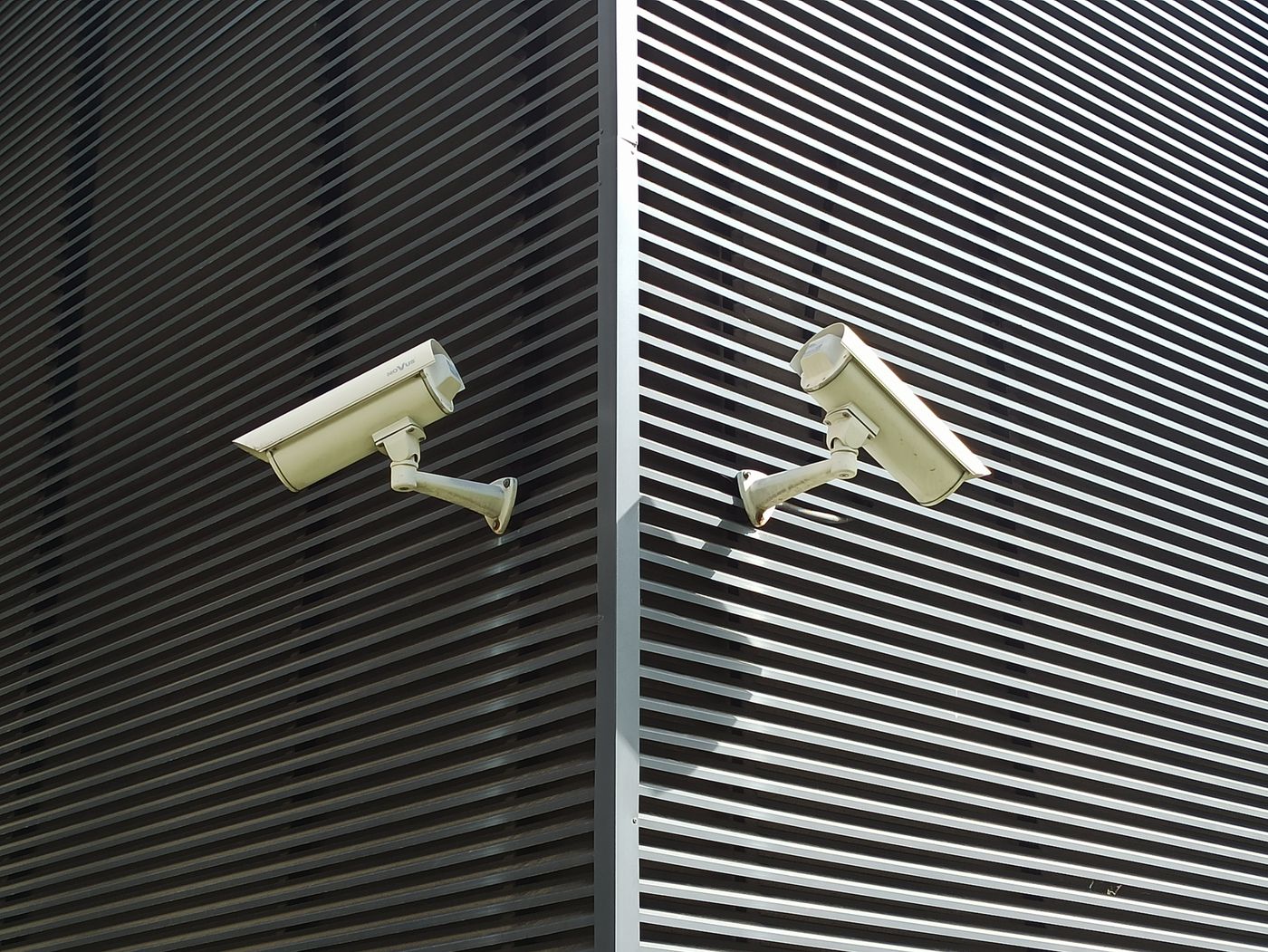
Two security cameras mounted on a wall
Cameras and officers work best together: the cameras record continuously, and the officer's report explains what the footage shows and when to look.

How managers and boards use the records

For a single night, a report tells you what happened. Over weeks and months, the records become a management tool. Property managers and HOA boards use them to:

  1. Spot patterns, such as the same gate found open every weekend or trespassers at the same hour.
  2. Prioritize repairs with a clear list of lighting, camera and access problems.
  3. Adjust coverage, moving patrol time to the hours and areas that actually need it.
  4. Show residents and owners what the security budget is buying.
  5. Hold the provider accountable, including us. GPS data makes it easy to confirm that rounds were made as agreed.

Frequently asked questions

Can I see the reports myself?

Yes. Reporting is set up for each client, and with DTR Patrol our reports are accessible anywhere with an Internet connection. We agree with you on who receives what, and how often.

Does GPS tracking mean you watch every step an officer takes?

GPS tracking records location, time and movement during the shift, so supervisors can confirm that patrols cover the property as planned. Geo Fence alerts tell supervisors when an officer has been at a specific location for a set amount of time.

Is this available for small properties or only large sites?

The same method applies to a single office building, a shopping center or a large HOA. The scope of the report changes, the discipline does not.

Where do you operate?

We serve South Florida, including Downtown Miami, Coral Gables, Aventura and Kendall, and the Tampa Bay area from our offices in Miami and Tampa. See our full security services.

The bottom line

Security that cannot be shown is security you have to take on faith. Observing carefully, deterring visibly, recording accurately and reporting quickly is how our officers turn every shift into something a manager can review, a board can understand and an insurer can rely on. After nearly two decades in the industry, we have learned that the report is often as valuable as the patrol itself.
See what a documented shift looks like for your property.
Licensed Florida security officers, marked patrol vehicles with GPS tracking, and daily reports you can actually read. Call Miami or Tampa for a free, no-obligation security assessment.
📞 Miami: (305) 614-9260 📞 Tampa: (813) 590-0771 Request a free quote →
Observe · Deter · Record · Report — Serving South Florida and the Tampa Bay area
By Mijael • October 20, 2026
No todas las empresas de seguridad son iguales, y la oferta más barata casi nunca es la mejor. Una lista práctica para administradores, dueños de negocios y juntas de propietarios de Tampa Bay: licencias de Florida, seguros, supervisión, reportes y las preguntas para hacer antes de firmar.
By Mijael • October 20, 2026
Not all security companies are the same, and the lowest bid is rarely the best value. A practical checklist for Tampa Bay property managers, business owners and HOA boards: Florida licenses, insurance, supervision, reporting and the questions to ask before you sign.
By Mijael • September 15, 2026
La buena seguridad no es solo estar presente, es poder demostrar qué pasó. Cómo funciona nuestro método de cuatro pasos en cada turno, y cómo los reportes de DTR Patrol, el rastreo GPS y las alertas de Geo Fence convierten las rondas en registros que los administradores pueden usar.
By Mijael • August 18, 2026
Un nuevo año escolar trae familias nuevas, personal nuevo y filas de llegada llenas. Una guía práctica para directivos de colegios privados: control de visitas, entrada y salida, eventos fuera de horario y cómo encajan los oficiales en el plan de seguridad del colegio.
By Mijael • August 18, 2026
A new school year brings new families, new staff and crowded drop-off lines. A practical guide for private school leaders: visitor control, arrival and dismissal, after-hours events, and how trained officers fit into the school's own safety plan.
By Mijael • July 21, 2026
Un concesionario deja afuera de noche más valor que casi cualquier otro negocio. Qué buscan los ladrones en un lote de autos, cómo los disuaden los oficiales y las patrullas nocturnas, y cómo armar un plan que deje un registro claro cada mañana.
By Mijael • July 21, 2026
A dealership leaves more value outdoors overnight than almost any other business. What thieves go after on auto lots, how overnight officers and patrols deter them, and how to build a night plan that leaves a clear record every morning.
By Mijael • June 16, 2026
¿Te vas en el verano? Una casa vacía da señales fáciles de leer. Qué revisan las patrullas de vacaciones, cómo te reportan y una lista práctica para dueños de casa y HOAs en Pinecrest, Palmetto Bay y Coconut Grove antes de salir de viaje.
By Mijael • June 16, 2026
Leaving for the summer? An empty house sends signals that are easy to read. What vacation-home patrols check, how they report back, and a practical pre-departure checklist for homeowners and HOAs in Pinecrest, Palmetto Bay and Coconut Grove.
By Mijael • May 19, 2026
Un huracán es tanto un problema de seguridad como del clima. Un plan práctico de antes, durante y después para administradores y juntas de HOA en el sur de Miami-Dade, desde documentar la propiedad hasta controlar el acceso durante la recuperación.