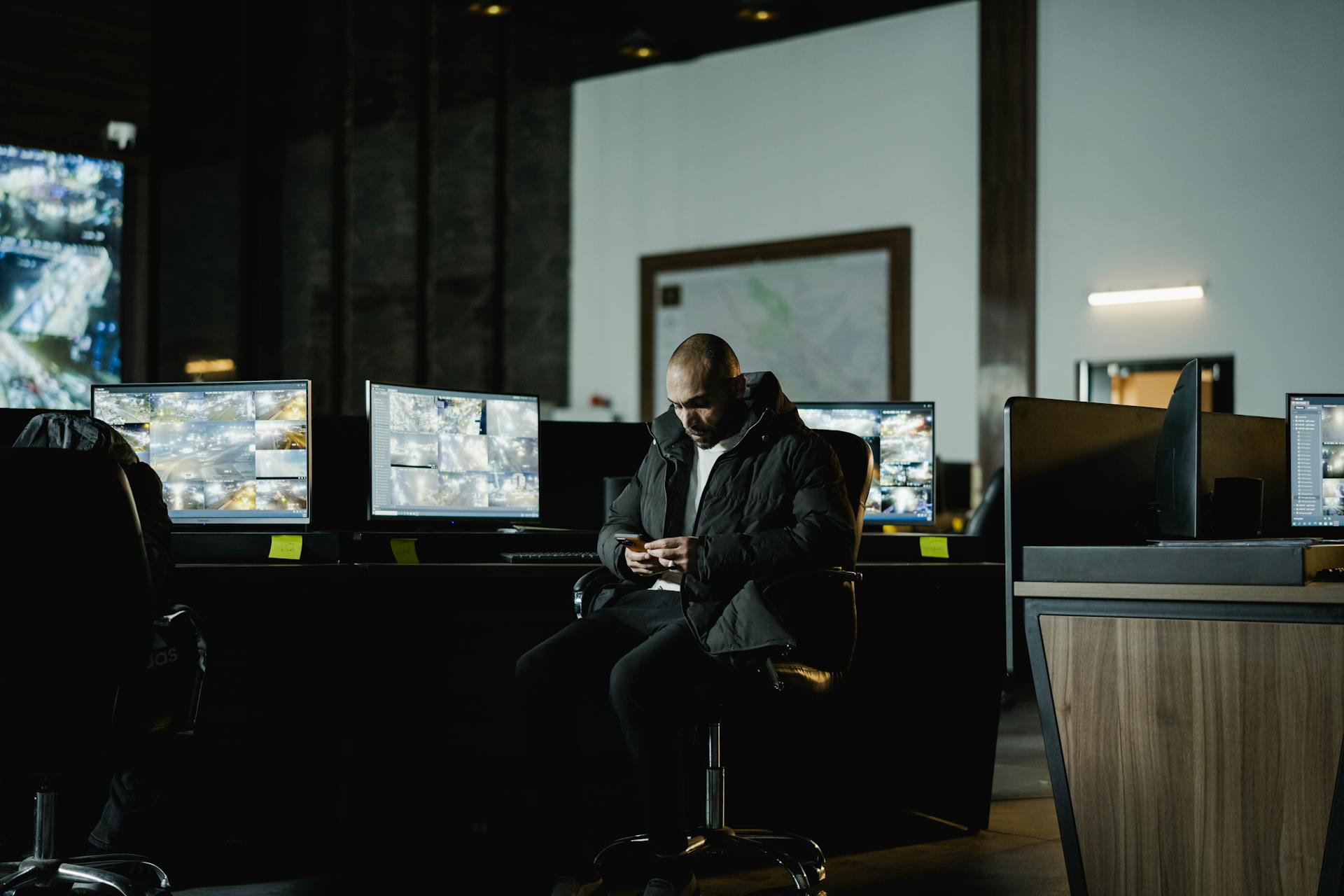
Holiday Retail Security in Kendall & Dadeland: A Season-Long Plan for Stores and Shopping Centers
For retailers in Kendall and around Dadeland, the stretch between Black Friday and the January returns rush can make or break the year. Stores along Kendall Drive, the US-1 corridor and the shopping centers in between fill up with families from across South Miami-Dade, stockrooms are packed to the ceiling and registers stay busy from opening to close. It is the best season for sales, and it is also the season when theft, parking lot incidents and stressed-out crowds are most likely.
A holiday security plan is not about turning a store into a fortress. Shoppers should feel welcome, not watched. The goal is a visible, professional presence that discourages trouble, a clear set of procedures your team and the officers both understand, and written records of what happened on every shift. This guide walks through how to put that plan together, whether you manage a single storefront or an entire shopping center.
- ✔ Holiday risk is not just shoplifting: crowds, packed stockrooms, packages left in cars and late closings all change the picture.
- ✔ Think in zones (entrances, sales floor, stockroom and dock, parking lot, closing routine) and decide what coverage each one needs.
- ✔ Agree on a written apprehension and incident policy with your attorney and insurer before the season, not during a busy Saturday.
- ✔ Book officers early so they can learn the property, the staff and your procedures before the peak weeks.
- ✔ Daily reports turn the season into data you can use to plan next year.
Why the holidays change the risk picture
The same store that runs smoothly in September can feel very different in December. More people, more merchandise and more seasonal staff all add pressure at the same time. These are the four shifts that matter most:
None of this means the season is dangerous. It means the margin for error is smaller, and that a little planning before the rush pays off when the busiest weekends arrive.
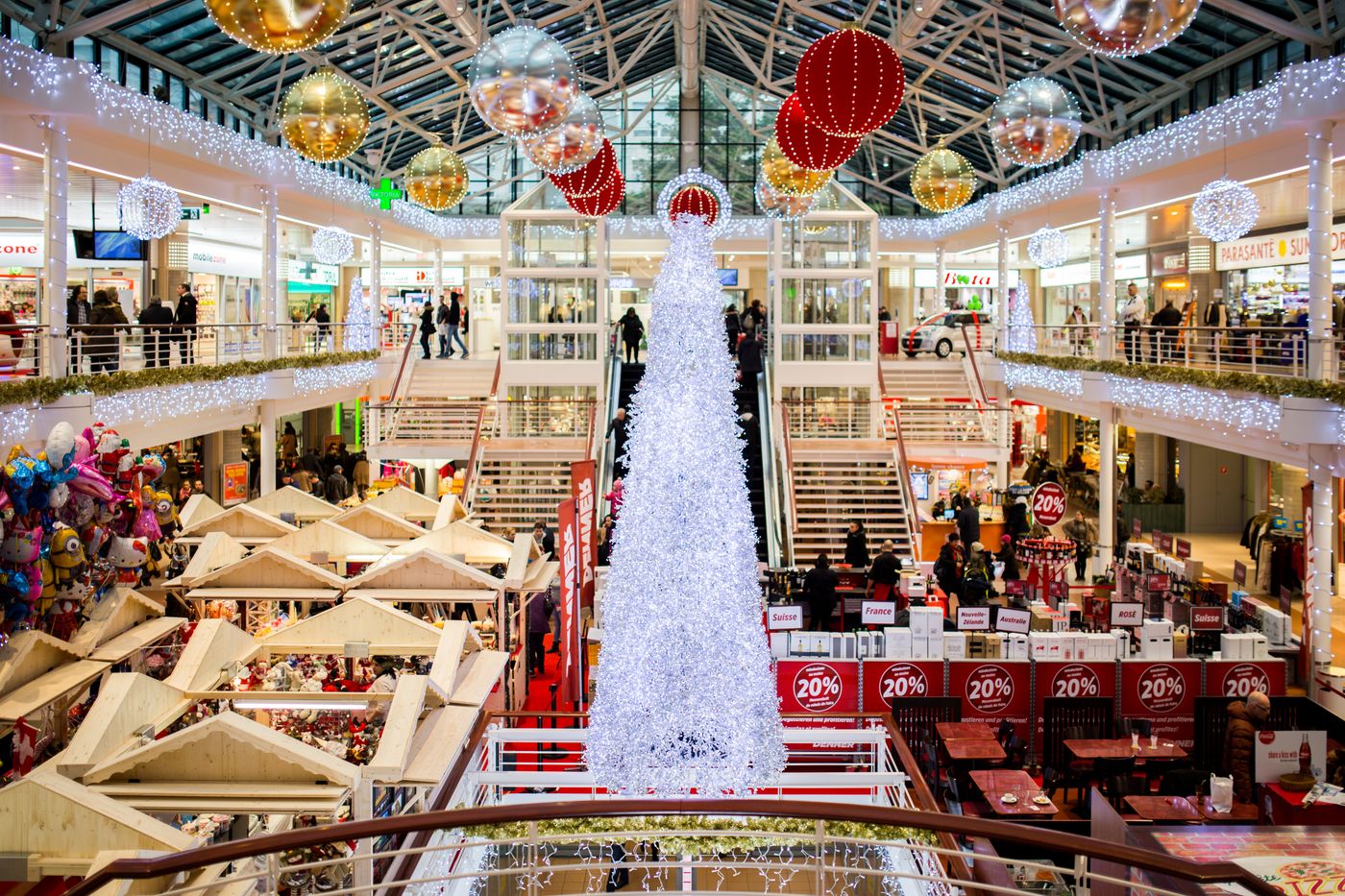
Map your property in five zones
Before you decide how many officers you need, walk the property and look at it zone by zone. Each area has its own risks and needs a different kind of attention:
- Entrances and exits. This is where a uniformed officer does the most good. A friendly, visible presence at the door sets the tone for everyone who walks in.
- Sales floor and fitting rooms. High-value displays, blind corners and fitting rooms are where most merchandise goes missing. Staff placement and clear sightlines matter as much as security here.
- Stockroom, back hallways and loading dock. During the season these areas hold a fortune in inventory. Doors propped open for deliveries are a classic weak point.
- Parking lot and garage. Vehicle break-ins, people loitering and employees walking alone to their cars at night all happen here.
- Cash handling and closing. Counting registers, preparing deposits and locking up are routines that should never be predictable to outsiders.
Once you see the property this way, the conversation with a security provider becomes much more specific: an officer at the main entrance during peak hours, regular patrols of the lot after dark, a check of the dock doors every round, and an escort at closing.
Who does what: officers and your store team
Security works best when everyone knows their role. Officers are there to observe, deter, record and report. Your store team still runs the floor. Here is how the work usually divides:
A season-long plan, step by step
The best holiday programs start weeks before the first sale. Here is a practical timeline:
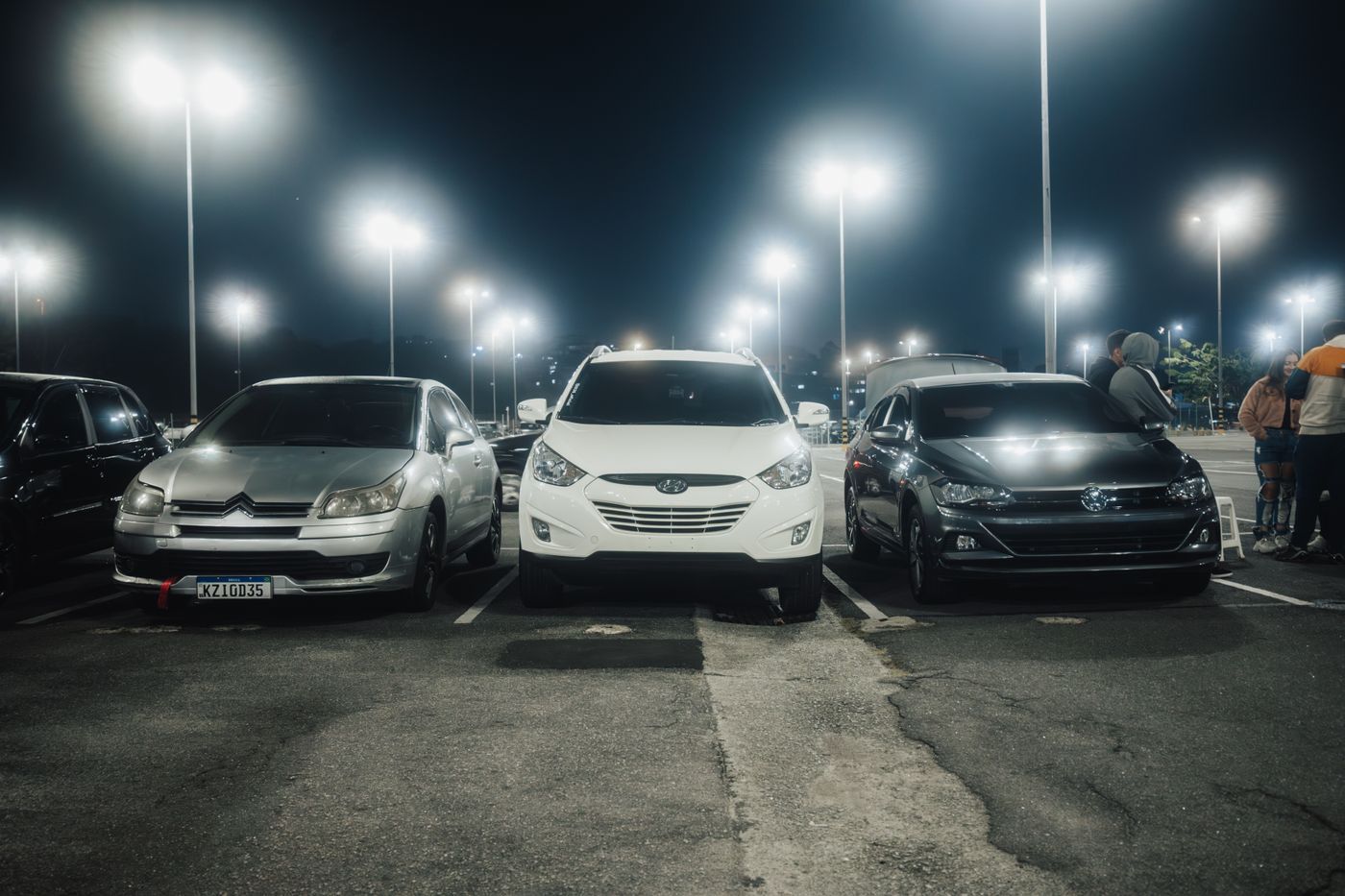
The parking lot: where the shopping trip ends
Ask any center manager where holiday complaints come from and the parking lot will be near the top of the list. Shoppers leave bags on the seat, park in the far corners when the lot is full and walk back in the dark with their arms full. A patrolled lot changes the calculation for anyone looking for an easy target.
- Patrol at irregular times. Rounds that happen at the same minute every hour are easy to predict. Varying the timing keeps the deterrent working.
- Report lighting problems the same night. A dead light pole in the back row is a security issue in December. Officers should note it so maintenance can fix it fast.
- Post simple signs. Friendly reminders to lock doors and keep purchases out of sight help shoppers protect themselves.
- Offer escorts. Employees leaving after closing, and customers who ask, can be walked to their cars.
- Watch the cart corrals and loading areas. These are natural hiding spots and should be part of every round.
Licensed officers, not just a uniform
In Florida, security work is licensed by the Florida Department of Agriculture and Consumer Services, Division of Licensing. Before you sign with any provider for the season, ask about these three licenses:
Most retail properties are well served by unarmed officers focused on customer service and deterrence. If you are considering armed officers, for example for cash handling, treat it as a separate decision: it involves Class G licensing and training, a clear use-of-force policy, and a conversation with your insurer and landlord about requirements.
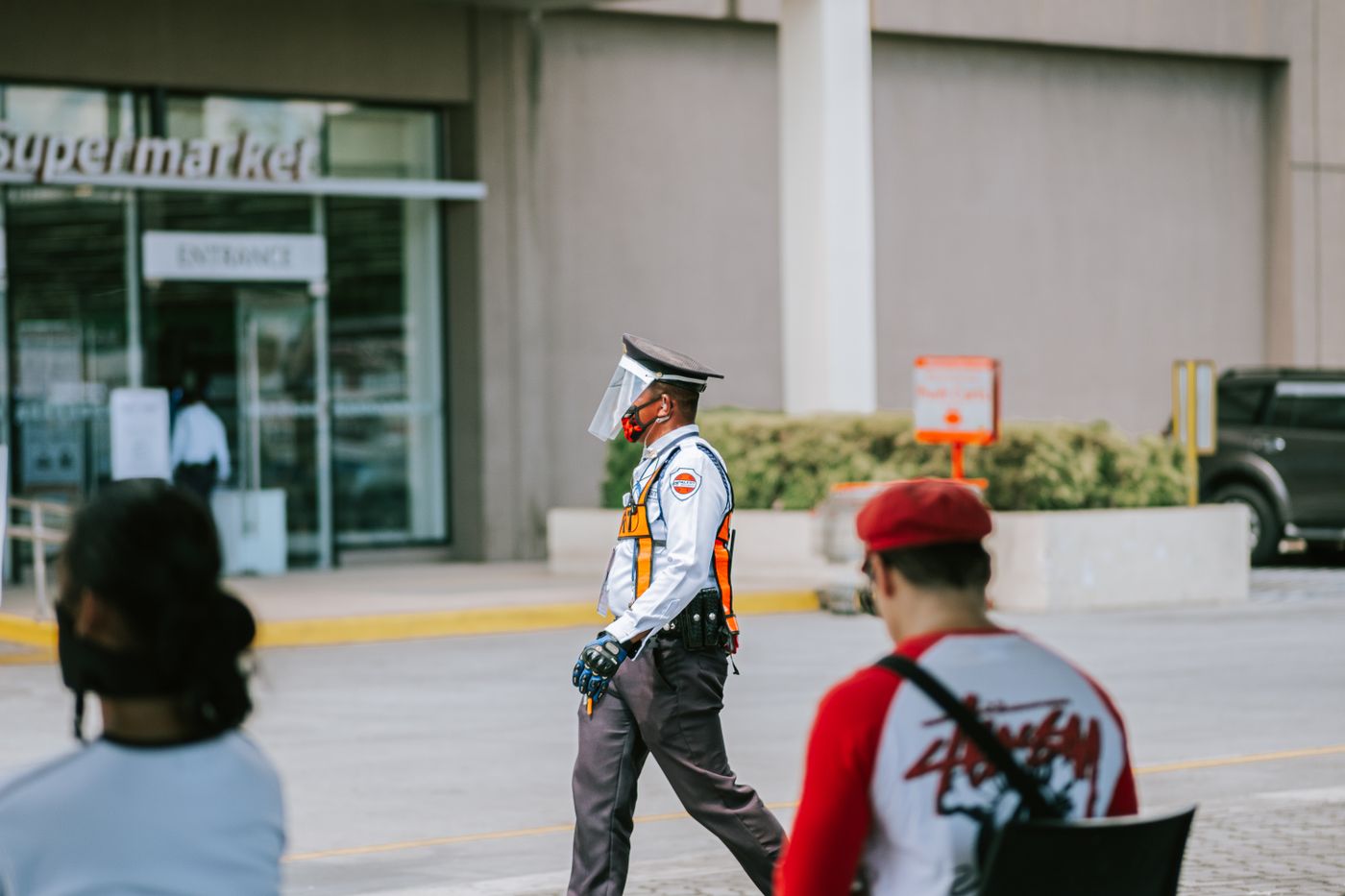
Reports you can actually use
A season without documentation is a season you cannot learn from. Every shift should end with a written report: rounds completed, people or vehicles that raised concern, maintenance issues and any incident with times and details. At All American Security Services, our patrols use DTR Patrol reporting, GPS tracking and Geo Fence technology, so you can see where officers were and when. You can read more on our technology page.
Those reports are also useful beyond security. They help when you talk to your insurer, when a customer disputes what happened, or when you are deciding how many officers to book next November.
Frequently asked questions
When should we book holiday security?
As early as possible, ideally in October or early November. Booking early gives officers time to learn your property, meet your managers and practice the routine before the busiest weekends.
Can officers stop shoplifters?
That depends on the policy you set with your attorney and insurer. Many retailers choose an observe-and-report approach: officers deter, document and contact law enforcement when needed. We follow the written policy you agree on, and we do not improvise during a busy shift.
Can we hire security just for the parking lot or just for closing time?
Yes. Coverage can be built around your real needs, from a stationed officer at the entrance during peak hours to patrols of the lot after dark or escorts at closing. Mobile patrols are a good option for smaller centers or for properties that want coverage at specific times.
Do you only work in Kendall and Dadeland?
No. We serve retail properties across Miami-Dade, including Coral Gables, Pinecrest and Brickell, and through our Tampa office we cover the Tampa Bay area, including Tampa and Clearwater.
The bottom line
The holidays are when your store or center has the most to gain and the most to lose. A good plan starts with walking the property, deciding what each zone needs, putting your policy in writing and booking licensed officers before the rush. With a visible presence at the doors, a patrolled parking lot and a report at the end of every shift, your team can focus on what the season is really about: serving customers. Learn more about our security services.
How to Choose a Security Company in Tampa & Clearwater: Licenses, Insurance and the Questions to Ask