Construction Site Security in Doral & Downtown Miami: Protect Equipment, Materials and Your Schedule
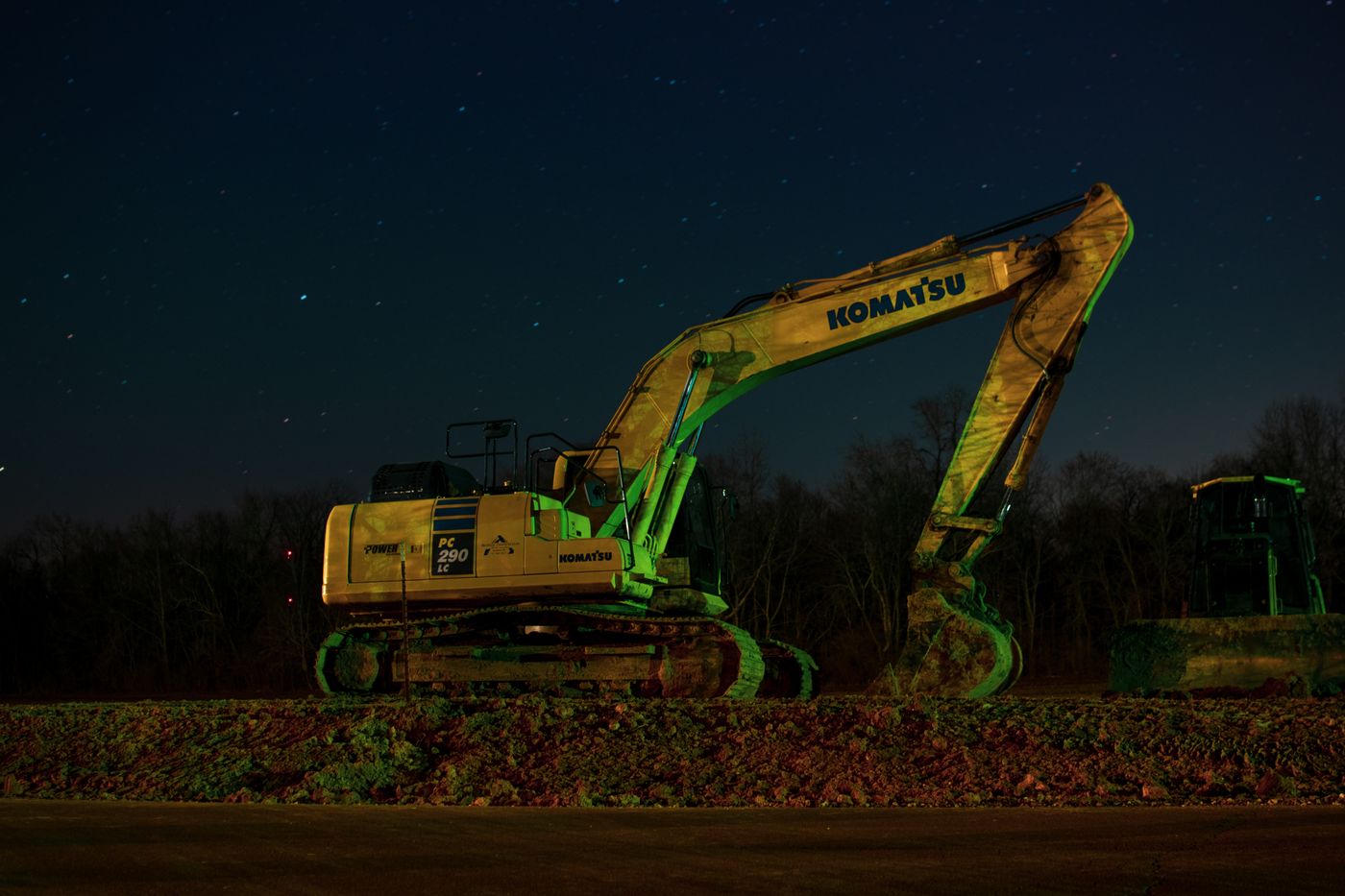
South Florida never really stops building. In Doral, new warehouses, logistics centers and mixed-use projects keep going up, while in Downtown Miami and Brickell tower cranes are part of the skyline. Every one of those job sites holds tools, materials and equipment worth a great deal of money, and most of them sit with nobody around from the moment the last crew leaves until the first one arrives the next morning.
For a general contractor or developer, theft is rarely just the price of what was taken. A missing generator stops a crew. Stripped wiring means rework and a new inspection. A stolen batch of appliances waiting to be installed can push back a closing date. This guide explains what actually goes missing from job sites, how the risk changes as the project moves forward, and how to choose the right mix of guards, patrols and site practices.
- ✔ Theft on a job site costs more than the stolen items: it brings delays, rework, insurance claims and frustrated crews.
- ✔ Risk changes by phase. It usually peaks when wiring, fixtures and appliances are on site but the building is not yet closed in.
- ✔ A stationed guard suits large or high-value sites; mobile patrols with irregular timing work well for smaller or multiple sites.
- ✔ Good security starts at groundbreaking with a defined perimeter, lighting, an access log and photo-documented rounds.
- ✔ Ask your insurer or broker whether your builder's risk policy has security requirements before the project starts.
What disappears from job sites
Thieves go where the value is high and the effort is low. On construction sites across Miami-Dade, these are the categories that tend to go missing:
Beyond theft, unprotected sites also deal with vandalism, graffiti, illegal dumping and trespassers who may get hurt on the property. Each of those can create its own headache for the project.
How risk changes as the project moves
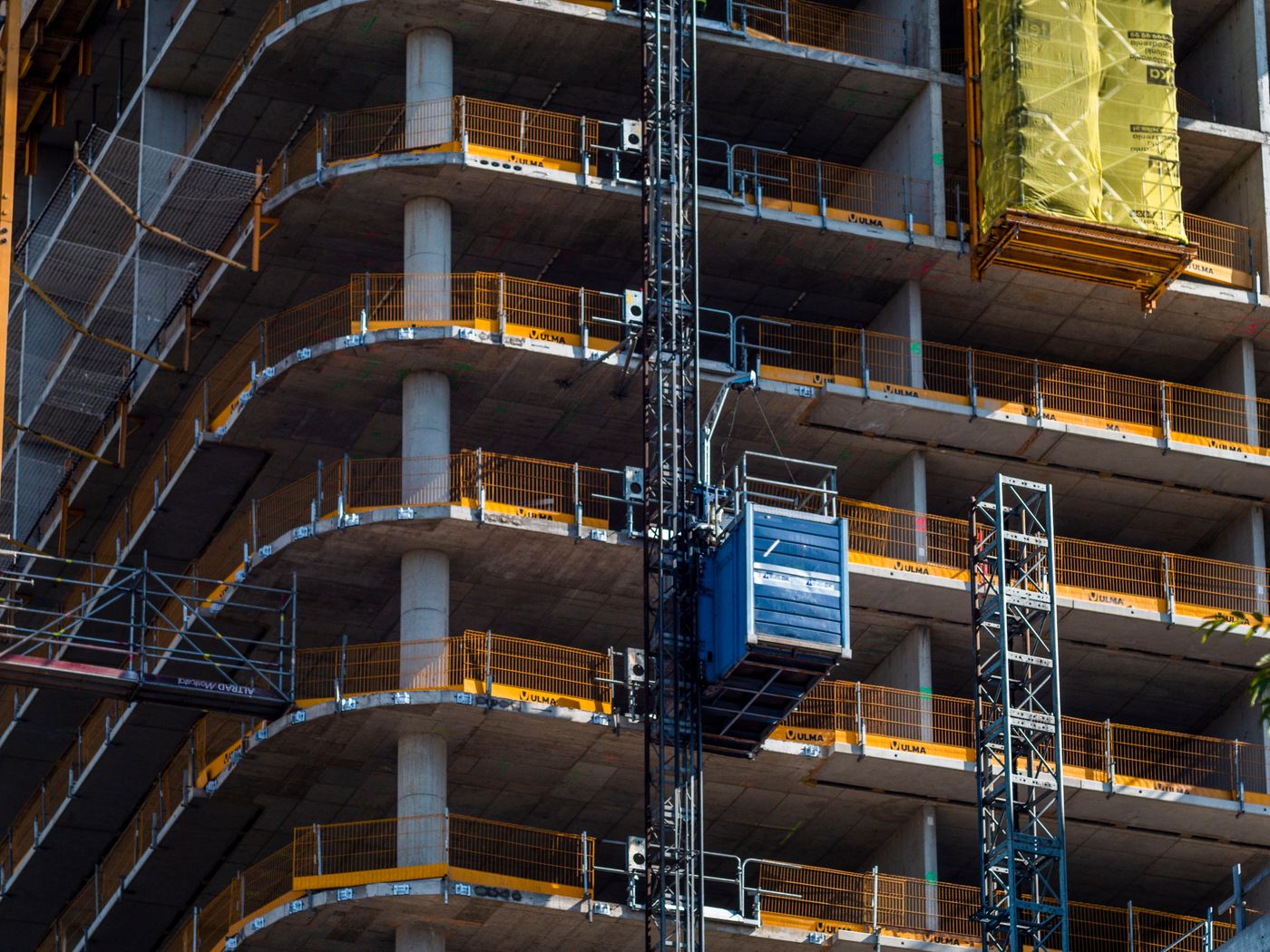
A job site is not the same place in month two and month twelve. Planning security by phase lets you add coverage when it matters most instead of paying for the same level from start to finish.
Stationed guard or mobile patrol?
There is no single right answer. It depends on the size of the site, what is stored there, its location and your budget. This comparison helps frame the decision:
Many projects use both: mobile patrols during earthwork, a stationed guard at night and on weekends once copper and appliances arrive, and gate control during working hours when deliveries are heavy.
Doral and Downtown: two different kinds of site
Where your project is located changes how security should work.
- Doral and other industrial or commercial areas often mean large, flat lots with long fence lines, wide access points and quiet streets at night. Perimeter checks, lighting and patrols that cover the whole fence line are the priority.
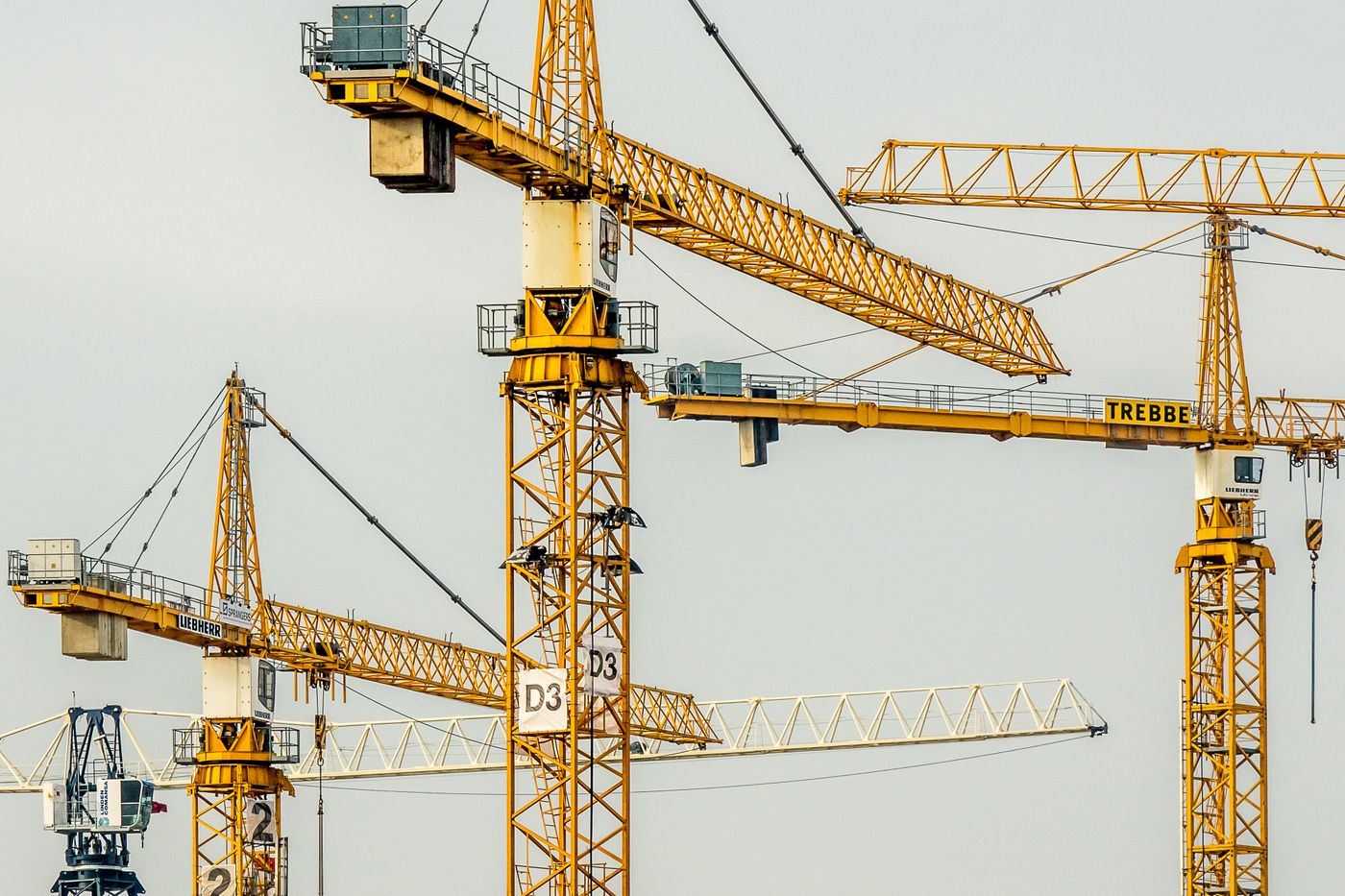
- Downtown Miami and Brickell projects tend to be vertical and tightly packed. The perimeter is shorter, but there are many floors, hoists, stairwells and a constant stream of pedestrians nearby. Controlling the entry points and checking floors that are not yet closed in matter more.
- Projects near homes or businesses in areas such as Hialeah or Coral Gables also have neighbors watching. A professional presence helps keep the site from becoming a nuisance after hours.
What a good nightly report should include
A report is only useful if it tells you something you can act on. Before signing with a provider, ask to see a sample. At minimum, every shift or visit should document:
- Time of each round or visit, and the areas checked.
- Condition of gates, fences, locks and storage containers, with photos.
- Lighting that is out or damaged.
- Vehicles or people seen on or near the site after hours.
- Any sign of tampering, forced entry, dumping or vandalism.
- Who was contacted, and when, if something was wrong.
At All American Security Services, our patrols use DTR Patrol reporting together with GPS tracking and Geo Fence technology, so you can confirm that rounds took place on your site and at what time. More details are on our technology page.
A checklist for contractors
Security officers are one layer. The site itself should make their job easier. These practices cost little and make a real difference:
- Define the perimeter. Continuous fencing with as few gates as possible, and gates that lock properly.
- Light the site. Light the gates, storage areas and equipment parking. Dark corners invite trouble.
- Lock up small items daily. Tools and portable equipment go into locked containers at the end of every shift.
- Time your deliveries. Schedule high-value materials and appliances as close as possible to installation.
- Keep an access list. Know which workers, subcontractors and vendors are authorized, and log deliveries.
- Mark and record equipment. Keep serial numbers and photos of tools and machinery in a safe place.
- Post signs. Clear signs saying the site is patrolled and trespassing is not allowed support the officers' work.
- Share a contact list. Officers should know exactly who to call, day or night, if something is wrong.
Licensing and armed coverage
Every officer you put on a site should be properly licensed. In Florida, security officers hold a Class D license, armed officers also need a Class G statewide firearm license, and security agencies operate under a Class B license, all issued by the Florida Department of Agriculture and Consumer Services, Division of Licensing. Most construction sites are covered with unarmed officers. If you are considering armed coverage, weigh it carefully with your insurer: it involves additional licensing and training, a written use-of-force policy and coverage questions that are worth settling in advance.
Frequently asked questions
Does a small site really need security?
Small sites are often easier targets because nobody expects them to be watched. A mobile patrol with a few irregular visits per night, combined with lighting and locked containers, can be a practical and affordable option.
Can security start in the middle of a project?
Yes. Many contractors add coverage when the project enters a higher-risk phase, such as rough-in or appliance delivery, or after a first incident. We walk the site first so the officers know the layout and the weak points.
Can officers control the gate during working hours?
Yes. A gate officer can log deliveries, vendors and visitors and check them against your access list, which also helps you keep track of who was on site and when.
Do you cover projects outside Miami?
Yes. We work across Miami-Dade and, through our Tampa office, on projects in Tampa, Clearwater and the rest of the Tampa Bay area.
The bottom line
A construction site is most exposed when nobody is there to see it. The right plan matches coverage to the phase of the project, combines officers or patrols with simple site practices, and leaves a written record of every round. That is how you protect equipment, materials and, above all, your schedule. Learn more about our patrol and security officer services.
How to Choose a Security Company in Tampa & Clearwater: Licenses, Insurance and the Questions to Ask