How Technology is Revolutionizing Security Services

Mijael • October 24, 2024

The security industry is undergoing a significant transformation, driven by rapid technological advancements. Traditional methods are being augmented and, in some cases, replaced by innovative solutions that offer enhanced efficiency, accuracy, and adaptability. Understanding these technological trends is crucial for businesses and communities aiming to bolster their security measures.


Key Technological Innovations in Security

  1. Surveillance Systems: Modern surveillance cameras equipped with high-definition capabilities, night vision, and 360-degree views provide comprehensive monitoring. Integration with artificial intelligence enables features like facial recognition and behavior analysis, allowing for proactive threat detection.
  2. Access Control Systems: Biometric scanners, keyless entry, and smart locks have revolutionized access control, ensuring that only authorized individuals can enter specific areas. These systems can be managed remotely, offering flexibility and real-time monitoring.
  3. Drones and Robotics: Unmanned aerial vehicles (drones) and ground robots are being utilized for surveillance, especially in large or hazardous areas. They provide real-time data and can access locations that might be challenging for human personnel.
  4. Cybersecurity Measures: With the increasing interconnectivity of devices, protecting digital assets has become as important as physical security. Advanced encryption, intrusion detection systems, and secure networks are essential to safeguard sensitive information.
  5. Mobile Applications: Security companies are developing apps that allow clients to monitor their properties, receive alerts, and communicate with security personnel in real-time, enhancing transparency and responsiveness.

Benefits of Integrating Technology into Security Services

  • Enhanced Efficiency: Automation and real-time data processing enable quicker responses to incidents, reducing potential risks.
  • Cost Savings: While the initial investment in technology may be significant, the long-term savings from reduced manpower and increased efficiency are substantial.
  • Scalability: Technological solutions can be easily scaled to accommodate the growing needs of a business or community.
  • Data-Driven Decisions: Advanced analytics provide insights into patterns and trends, allowing for informed decision-making and proactive security measures.


The Role of Artificial Intelligence (AI) in Modern Security

AI has transformed security services by automating processes and improving decision-making. Security systems now utilize AI to analyze surveillance footage, detect suspicious activities, and even predict potential security breaches. Features like facial recognition and behavioral analysis enable early detection of unusual patterns, allowing security personnel to respond proactively.

For instance, AI-powered cameras can identify when an individual is loitering in a restricted area or attempting unauthorized access. This level of automation reduces human error and improves overall operational efficiency.


Why Choose All American Security Services for Technology-Driven Security?

At All American Security Services, we pride ourselves on integrating cutting-edge technology with personalized security solutions. From advanced surveillance systems to mobile patrol services, our approach ensures your business, property, and community receive unparalleled protection.

With over 19 years of experience, we understand that every client has unique needs. That’s why we utilize technology such as GPS tracking, real-time reporting, and AI-enhanced tools to deliver customized security solutions. Whether you require advanced monitoring for commercial properties, residential areas, or events, our skilled team is equipped to meet your expectations.

Ready to Upgrade Your Security? Contact Us Today!

Take your security to the next level with All American Security Services. Let our technology-driven solutions keep your property and people safe 24/7.
Contact us for a FREE consultation at (305) 614-9260
or visit our website for more details.

Your safety is our priority – let’s secure your future together.


Industrial Patrol and Surveillance in Homestead, Tampa, and Clearwater
By Mijael October 29, 2025
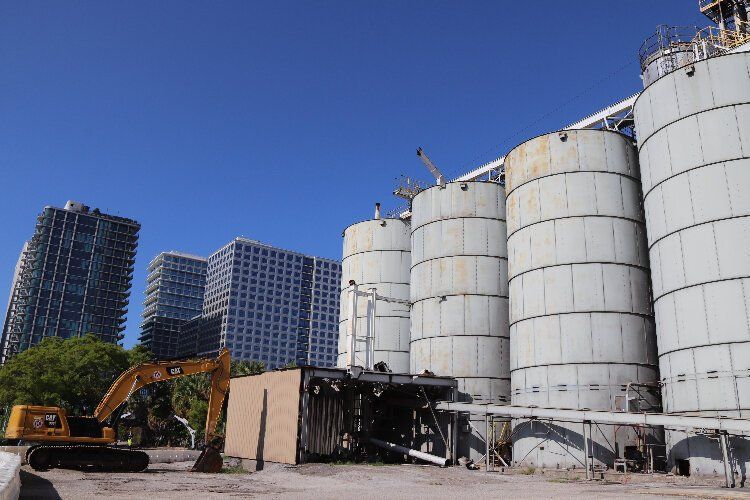
Industrial parks and warehouses in Homestead, Tampa, and Clearwater handle high-value goods, machinery, and staff.
Vigilancia y Patrullaje Industrial en Homestead, Tampa y Clearwater
By Mijael October 29, 2025
Los parques industriales y almacenes de Homestead, Tampa y Clearwater manejan mercancías, maquinaria y personal de alto valor.
Preventive Security for High-Traffic Environments
By Mijael October 29, 2025
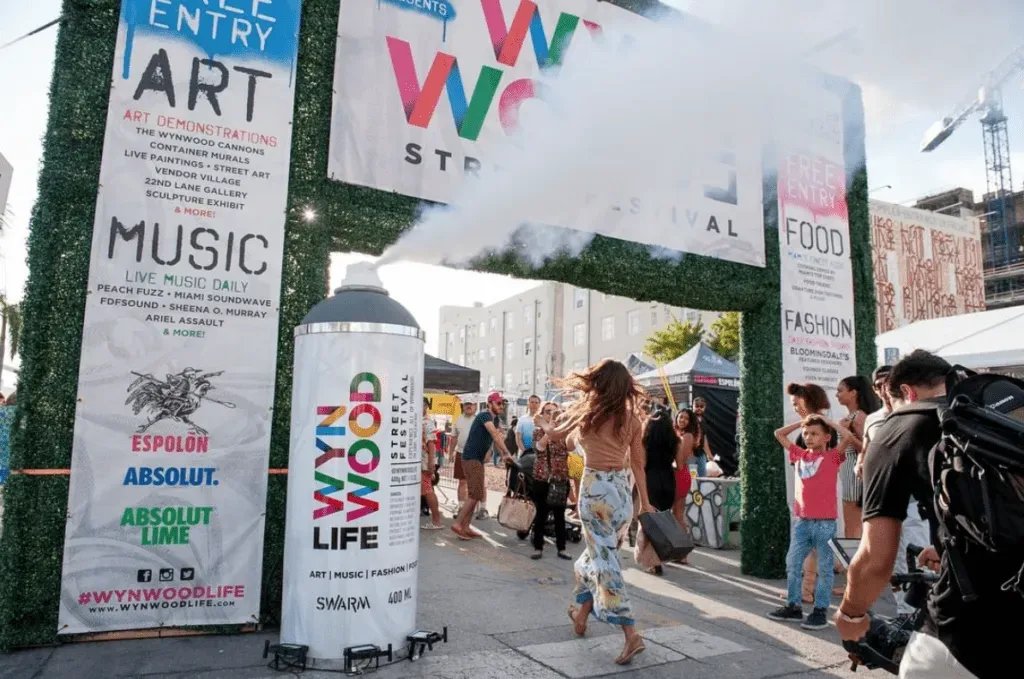
Wynwood and Miami Beach host some of Florida’s most dynamic events — art fairs, concerts, food festivals, and exhibitions.
Seguridad Preventiva para Entornos con Alta Afluencia
By Mijael October 29, 2025
Wynwood y Miami Beach concentran algunos de los eventos más concurridos del estado: conciertos, ferias de arte, festivales gastronómicos y exposiciones.
Professional Security in Miami’s Business Core
By Mijael October 29, 2025
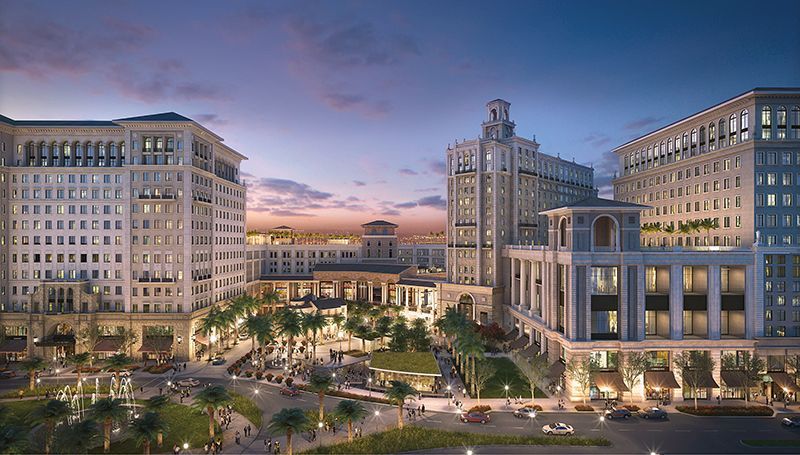
The Brickell and Downtown Miami districts form the city’s financial and commercial heart. These areas demand high-level, reliable commercial security.
Seguridad Profesional en el Centro Empresarial de Miami
By Mijael October 29, 2025
Las zonas de Brickell y Downtown Miami son el corazón financiero de la ciudad. Lo que exige protocolos de seguridad comercial altamente profesionales.
Coral Gables
By Mijael October 29, 2025
Living in exclusive communities such as Coral Gables or Pinecrest offers peace of mind — but also comes with unique security challenges.
Coral Gables
By Mijael October 29, 2025
Vivir en comunidades exclusivas como Coral Gables ofrece tranquilidad, pero también implica riesgos específicos.
By Mijael August 19, 2025
Marinas and waterfront communities in Monroe County (Florida Keys) and Naples face a unique set of security risks: after-hours trespassing, outboard and electronics theft, tailgating through dock gates, fuel shrinkage, and storm-season complications. This guide outlines a practical security program that protects slips, fuel docks, boardwalks, and private HOA piers—without disrupting owners, guests, or charter operations. Who this helps Public and private marinas (wet slips and drystack) HOA and condo associations with shared docks Resorts with guest marinas and boardwalks Fuel docks and waterfront retail areas Core threats on the water After-hours trespass and night fishing in restricted areas Electronics/outboard theft from vessels and dinghies Fuel shrinkage (meter skimming, improper log entries) Gate tailgating and shared PIN codes Derelict vessels and long-term squatters Storm events that attract opportunistic activity A waterfront patrol program that works Patrols should be night-focused (dusk–dawn) with randomized intervals, spotlight checks, and foot patrols on docks and boardwalks. Mobile patrols cover perimeters, parking, launch ramps, and trailer storage. Guards act as deterrents with either soft uniforms for a resort feel or high-visibility uniforms where overt security is required. Each incident is documented with photo logs and reports. Dock access control Unique RFID/fob access per slip instead of shared PINs Self-closing, alarmed gates to prevent tailgating Time-bound QR passes for vendors and visitors IR cameras on gate approaches, fuel docks, and high-value slips Marine-grade lighting around gates and fish-cleaning stations Night fishing policies Create a simple, visible policy: approved areas, hours, and no-go zones such as fuel docks or private slips. Guards focus on education first, documentation second, and trespass only when required. Fuel dock controls Dual-person verification during open/close Meter readings reconciled to POS at each shift change Spill kit checks and emergency shut-off drills logged Fuel truck escorts and chain-of-custody sign-offs Cameras covering nozzles, meters, and drawers Environmental and compliance Guards trained in spill response basics and reporting Derelict vessel documentation with location photos Hurricane/king tide patrol checklist before and after storms Seasonal spikes Lobster Mini-Season in the Keys Memorial Day, July 4th, and Labor Day weekends Storm season from June through November What success looks like Reduced after-hours trespass incidents Fewer theft claims from owners Accurate fuel reconciliations with no unexplained variances Incident reports delivered with photos and timestamps 
By Mijael August 19, 2025
Marinas and waterfront communities in Monroe County (Florida Keys) and Naples face a unique set of security risks: after-hours trespassing, outboard and electronics theft, tailgating through dock gates, fuel shrinkage, and storm-season complications. This guide outlines a practical security program that protects slips, fuel docks, boardwalks, and private HOA piers—without disrupting owners, guests, or charter operations. Who this helps Public and private marinas (wet slips and drystack) HOA and condo associations with shared docks Resorts with guest marinas and boardwalks Fuel docks and waterfront retail areas Core threats on the water After-hours trespass and night fishing in restricted areas Electronics/outboard theft from vessels and dinghies Fuel shrinkage (meter skimming, improper log entries) Gate tailgating and shared PIN codes Derelict vessels and long-term squatters Storm events that attract opportunistic activity A waterfront patrol program that works Patrols should be night-focused (dusk–dawn) with randomized intervals, spotlight checks, and foot patrols on docks and boardwalks. Mobile patrols cover perimeters, parking, launch ramps, and trailer storage. Guards act as deterrents with either soft uniforms for a resort feel or high-visibility uniforms where overt security is required. Each incident is documented with photo logs and reports. Dock access control Unique RFID/fob access per slip instead of shared PINs Self-closing, alarmed gates to prevent tailgating Time-bound QR passes for vendors and visitors IR cameras on gate approaches, fuel docks, and high-value slips Marine-grade lighting around gates and fish-cleaning stations Night fishing policies Create a simple, visible policy: approved areas, hours, and no-go zones such as fuel docks or private slips. Guards focus on education first, documentation second, and trespass only when required. Fuel dock controls Dual-person verification during open/close Meter readings reconciled to POS at each shift change Spill kit checks and emergency shut-off drills logged Fuel truck escorts and chain-of-custody sign-offs Cameras covering nozzles, meters, and drawers Environmental and compliance Guards trained in spill response basics and reporting Derelict vessel documentation with location photos Hurricane/king tide patrol checklist before and after storms Seasonal spikes Lobster Mini-Season in the Keys Memorial Day, July 4th, and Labor Day weekends Storm season from June through November What success looks like Reduced after-hours trespass incidents Fewer theft claims from owners Accurate fuel reconciliations with no unexplained variances Incident reports delivered with photos and timestamps  Service areas: Monroe County (Key Largo, Islamorada, Marathon, Big Pine, Key West) and Naples/Marco Island.